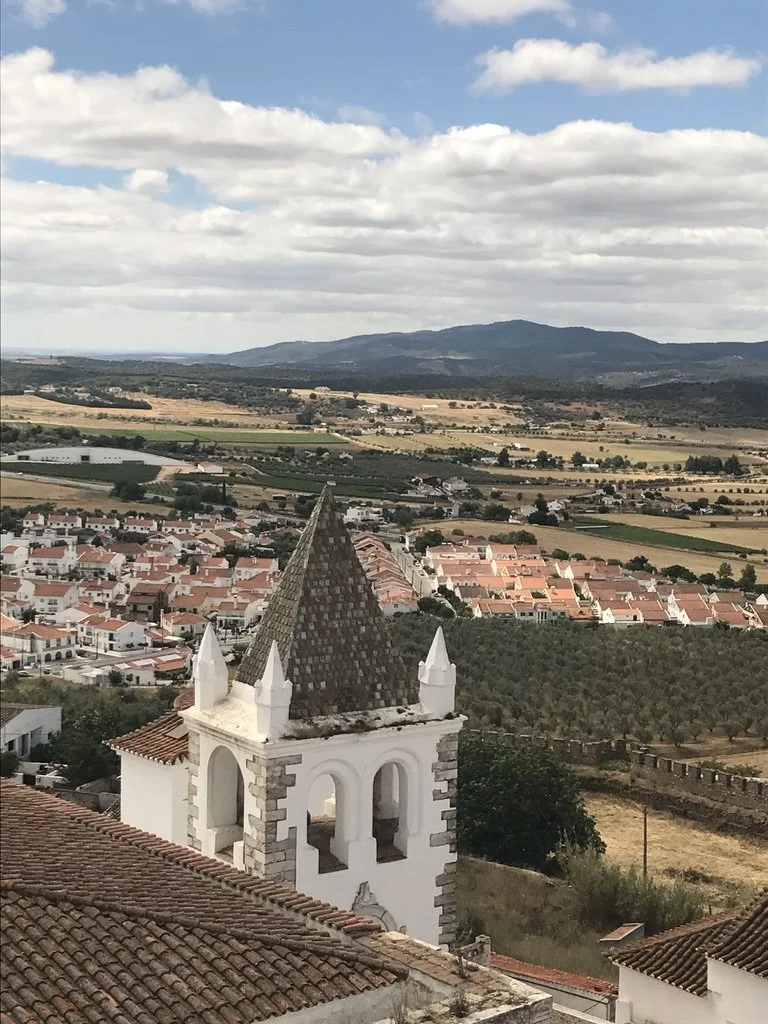
Our Journey Begins in Evora
On a sunny June day, my daughter Roxy and I embarked on an enchanting road trip through Portugal, where we uncovered a tapestry of breathtaking landscapes and hidden gems.
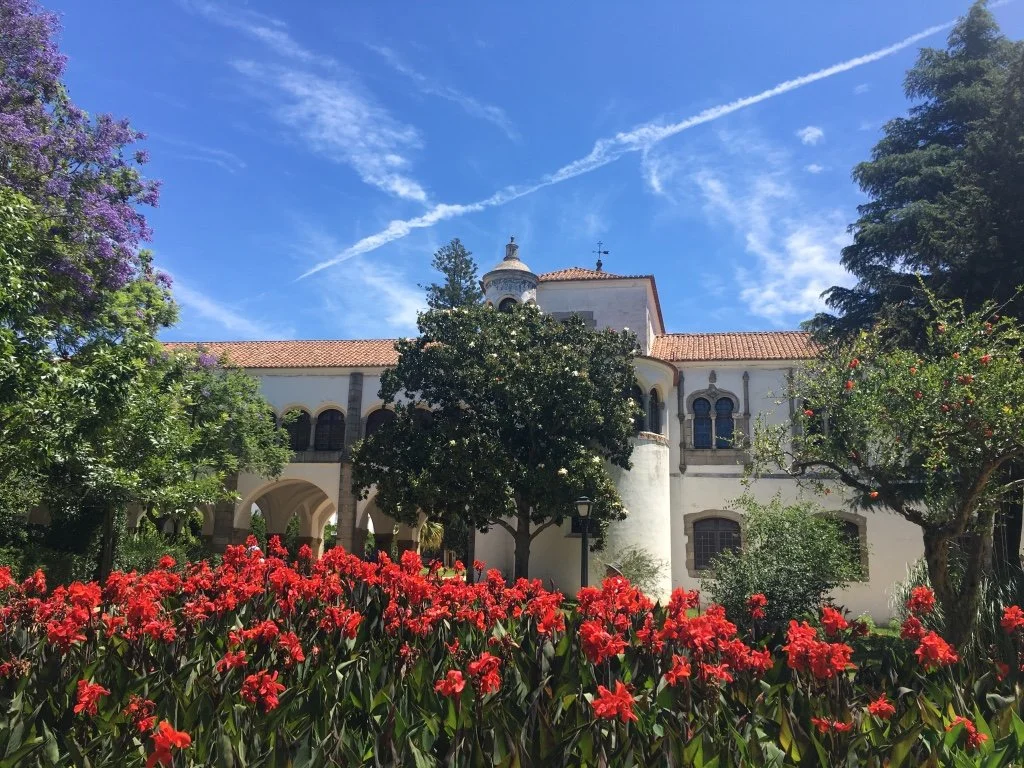
We kicked off our journey in Évora, a picturesque medieval city, and the capital of the Alentejo region. We chose the Convento do Espinheiro, a beautifully renovated five-star convent, nestled amidst lush gardens, seamlessly blending historic charm with modern luxury, as our retreat. After checking in, I asked the concierge for dinner recommendations. He enthusiastically pointed us to Tabua do Naldo in the heart of Évora.
Looking over the menu, we discovered a fantastic array of seafood and traditional Portuguese platters.
We began our repast with fried vegetables and Portuguese sausage, olives and bread. Then we moved on to the famous black pig prepared two ways: grilled and roasted. It was tender and hearty. Naldo, the restaurant’s talented and precocious chef, hovered over our table as he poured local wine and took sips from our bottle.
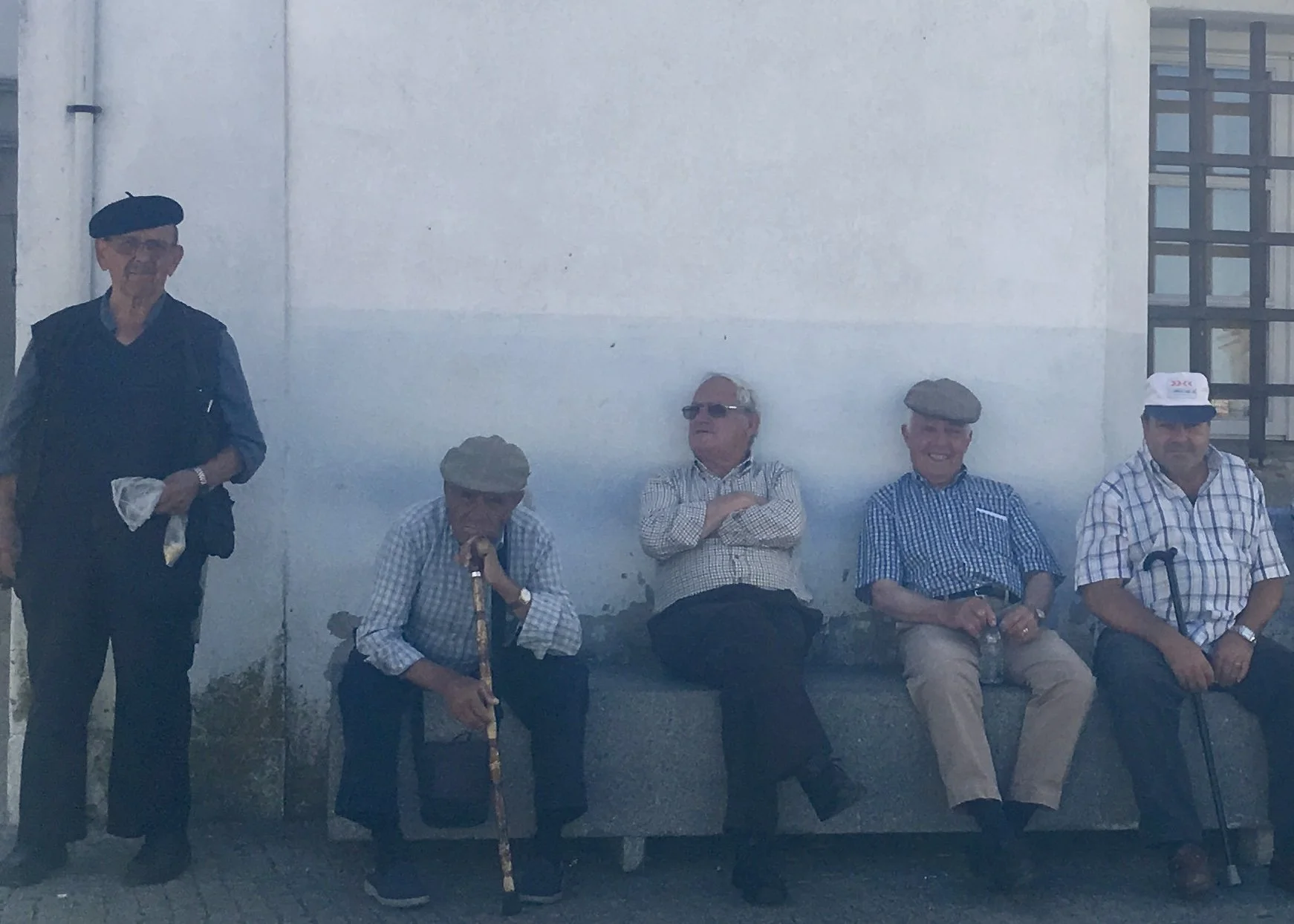
Next to us sat a lovely couple from Miami, celebrating their 43rd wedding anniversary. Coincidentally, they were also staying at our hotel. We quickly hit it off, sharing stories and laughter. Despite their age—likely in their mid-80s—they were full of life and clearly radiated warmth and affection for one another. “You must come to Miami and visit us,” the husband insisted. “We’re adopting both of you!” his wife exclaimed. “Not before I do,” said the chef bringing over glasses of Amendoa, a sweet almond liqueur on the house.
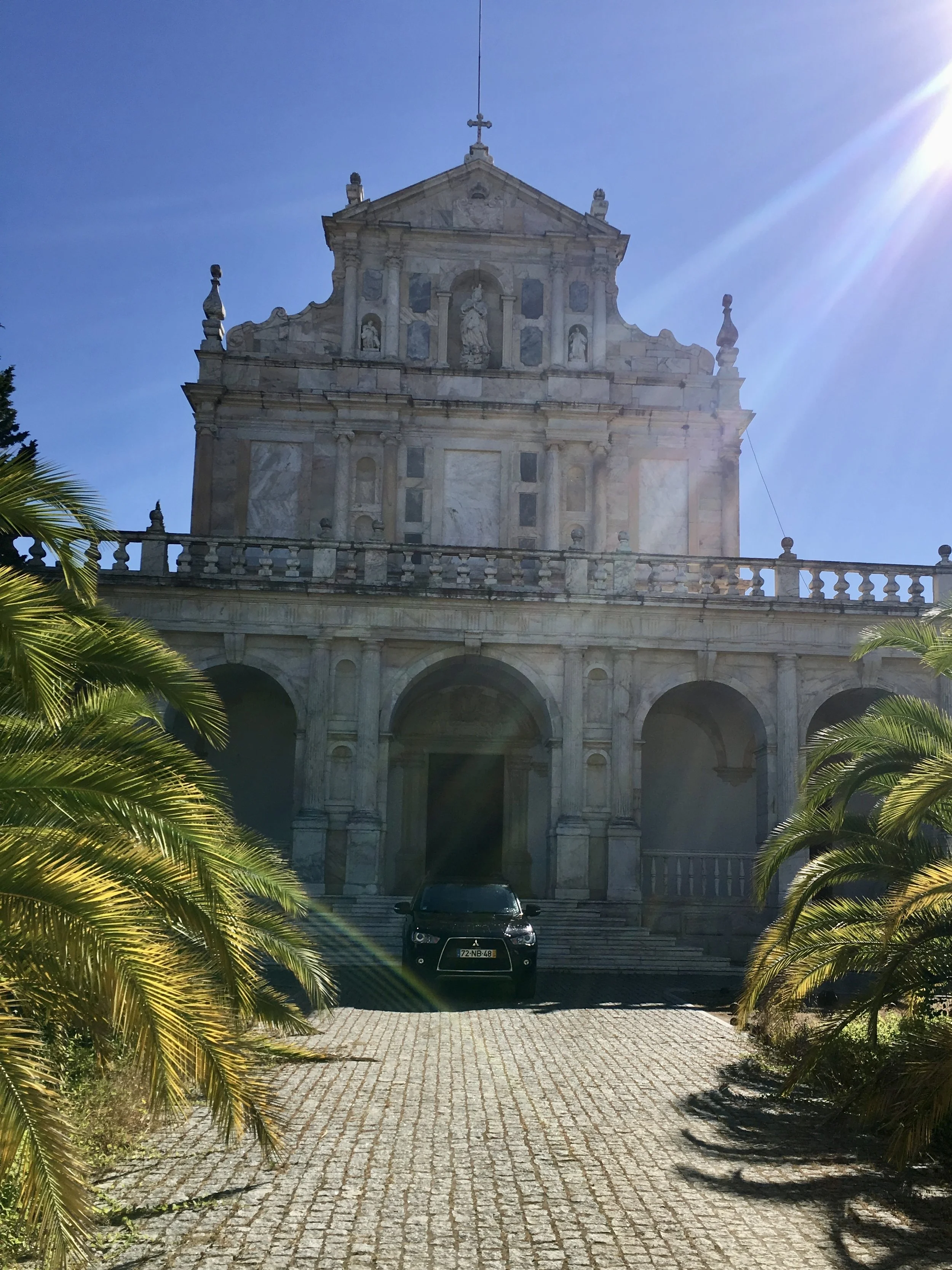
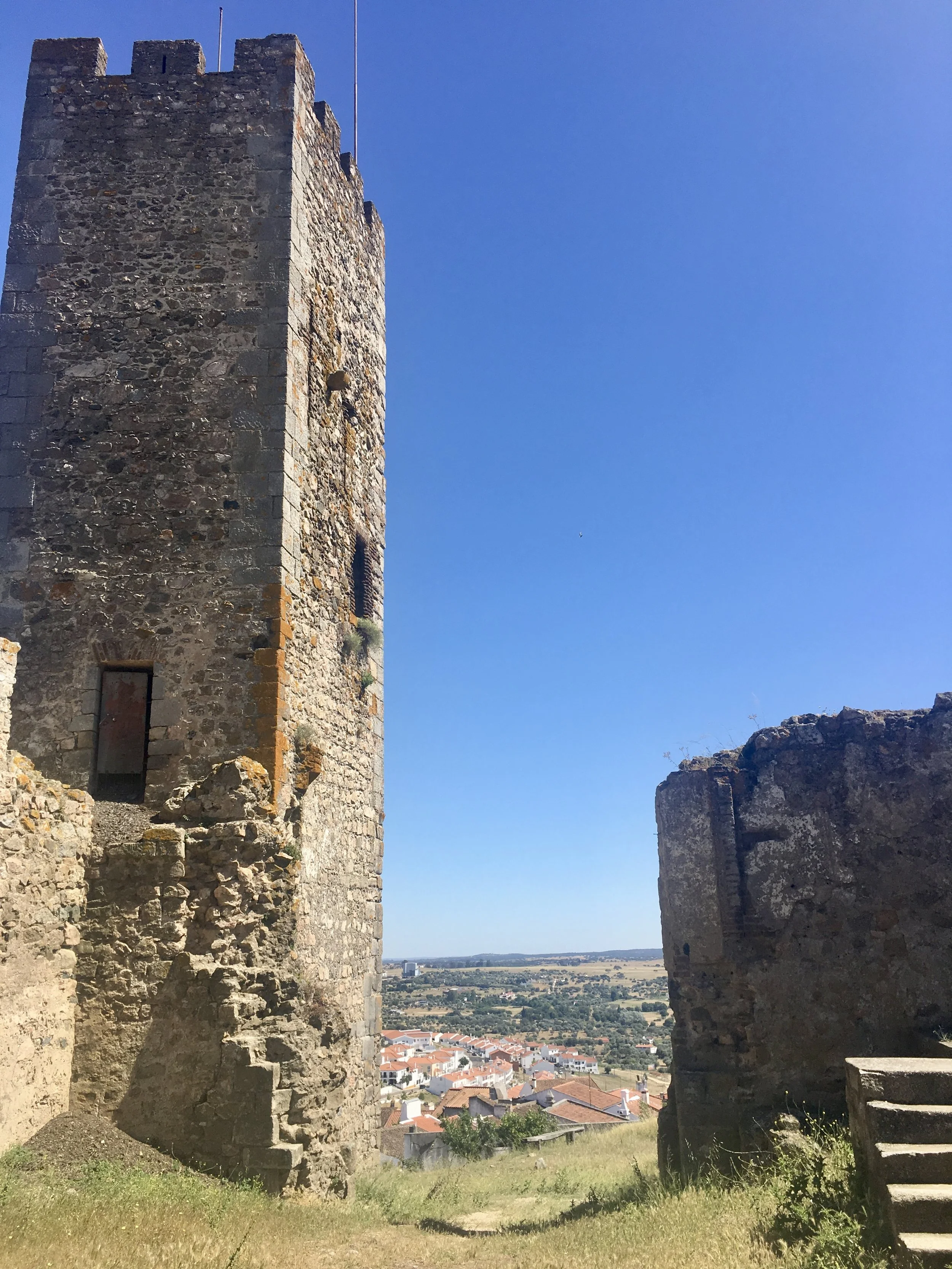
The following day, our affable guide Miguel and our skilled driver Yugo shuttled us around Évora, sharing tales of the city’s rich history.
“I’m so happy you came here,” Miguel said, noting that not many Americans do. I explained how we had learned about Évora from a couple we met at JazzFest in New Orleans. “Good for you!” he praised. “This is a UNESCO site filled with Roman and medieval heritage.”
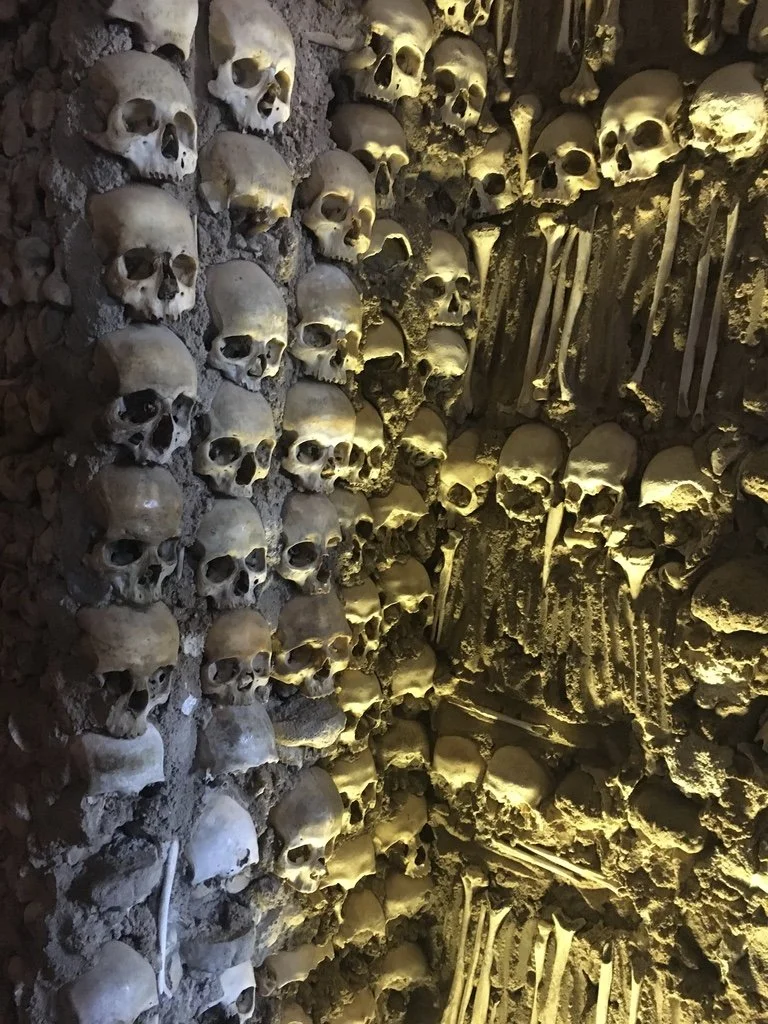
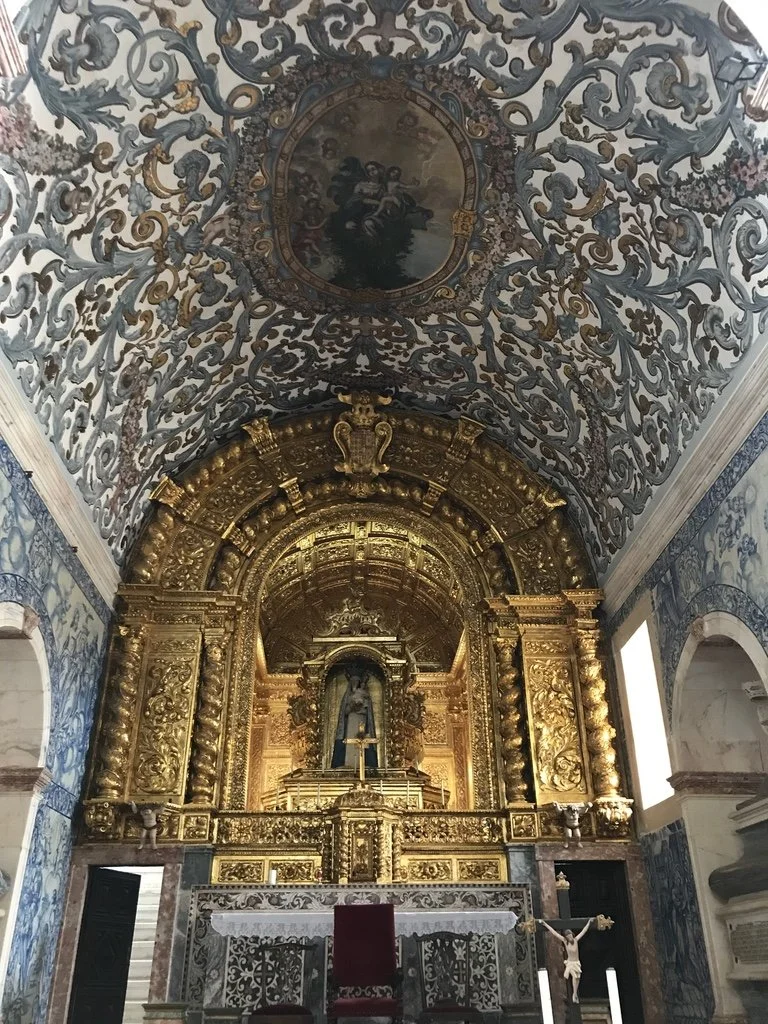
The Romans were the first to settle in Evora, and our guide was eager to show us the ruins they left behind. “Évora also has an impressive 16th century aqueduct, the second oldest university in the country, a pink granite cathedral, many ornate churches and a chapel decorated entirely with human bones,” elaborated Miguel, beaming. Roxy perked up. “I want to see that!” she said.
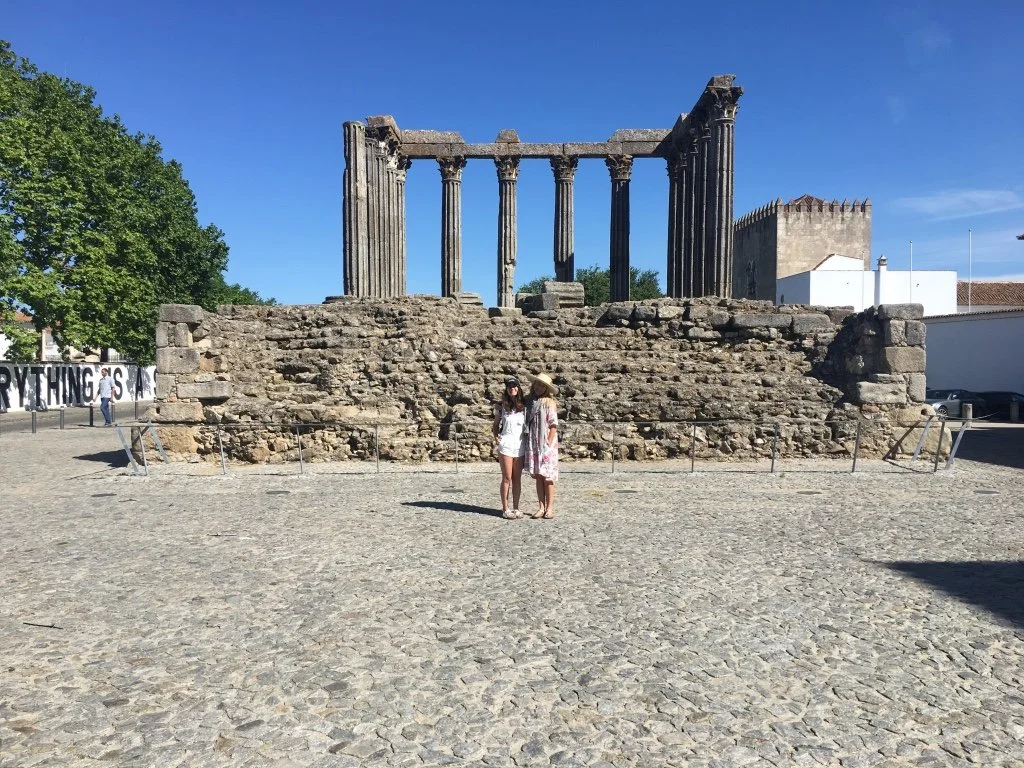
As we explored, we learned about the Spanish Inquisition and its brutal impact on Évora.
There were public hangings in the main square and far worse. Strolling through the Jewish Quarter, Miguel recounted the tales of thousands of Jews who fled, were tortured, or converted to become “new Christians,” all while the economy plummeted without their money making and lending skills; leaving behind a complicated and tragic history.
For dinner, Miguel suggested Bistro Borao, where we indulged in wild boar with chestnuts and potatoes, and tender veal steak served on a hot stone. The wine at this meal — and everywhere in Portugal — is wonderful. We really liked the Vinho Verde, a green wine, effervescent and young — a reflection of just how I was feeling while exploring this inviting country.
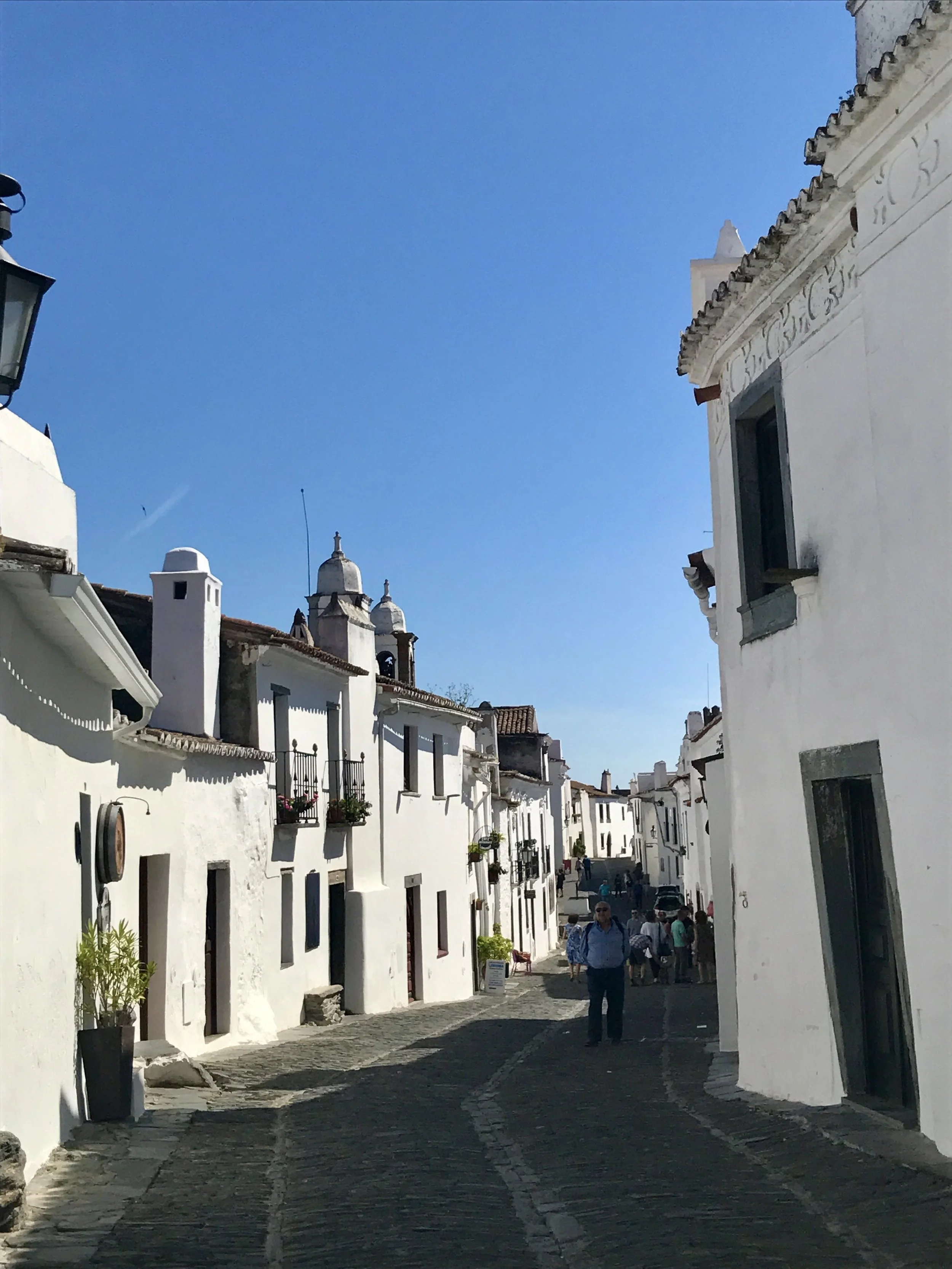
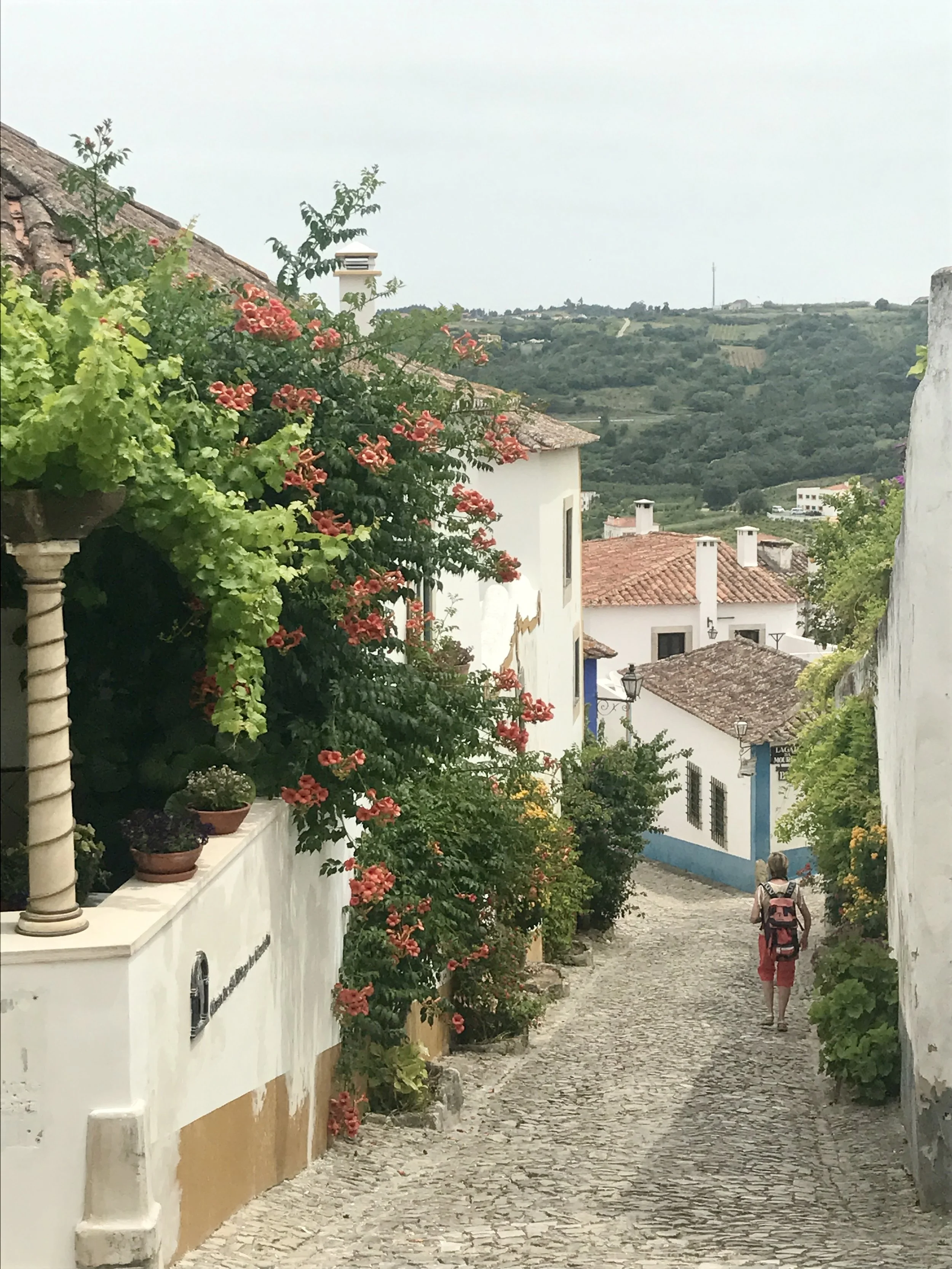
The next day, Miguel and Yugo took us to the charming village of Monsaraz, with its fortified castle perched high above with breathtaking views over olive groves and the Alqueva Dam. Its idyllic narrow lanes, lined with whitewashed cottages and overflowing flower boxes, felt like stepping into a storybook. We wandered along black cobblestone streets, through artisan shops, sampling Alentejan cuisine along the way.
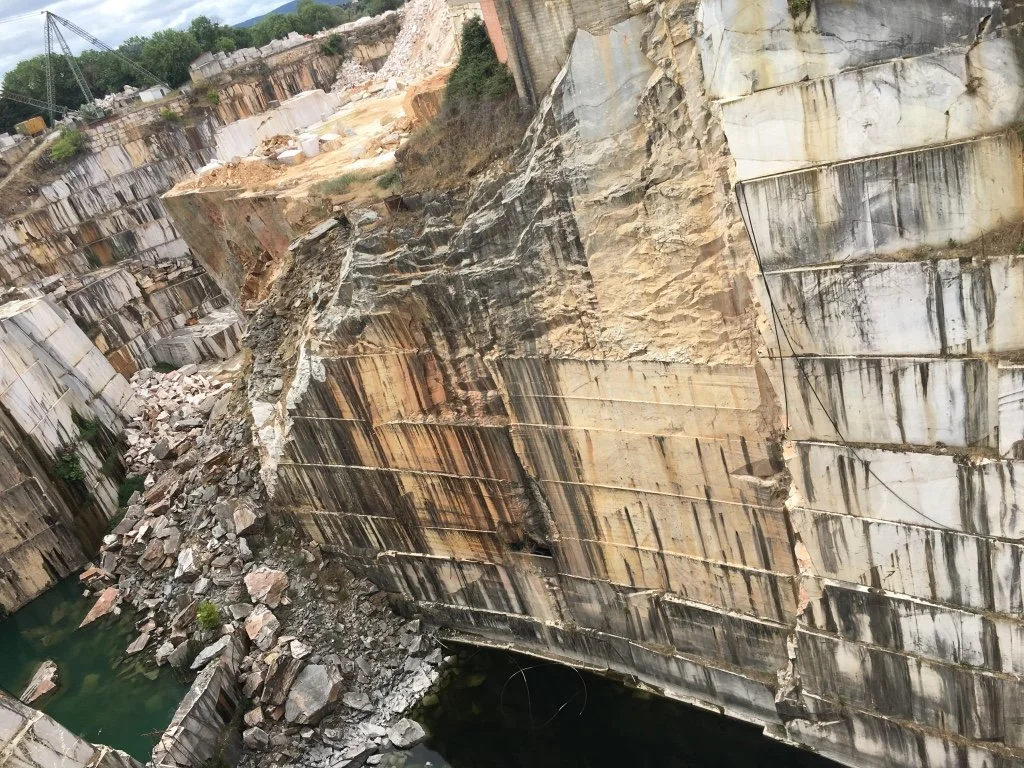
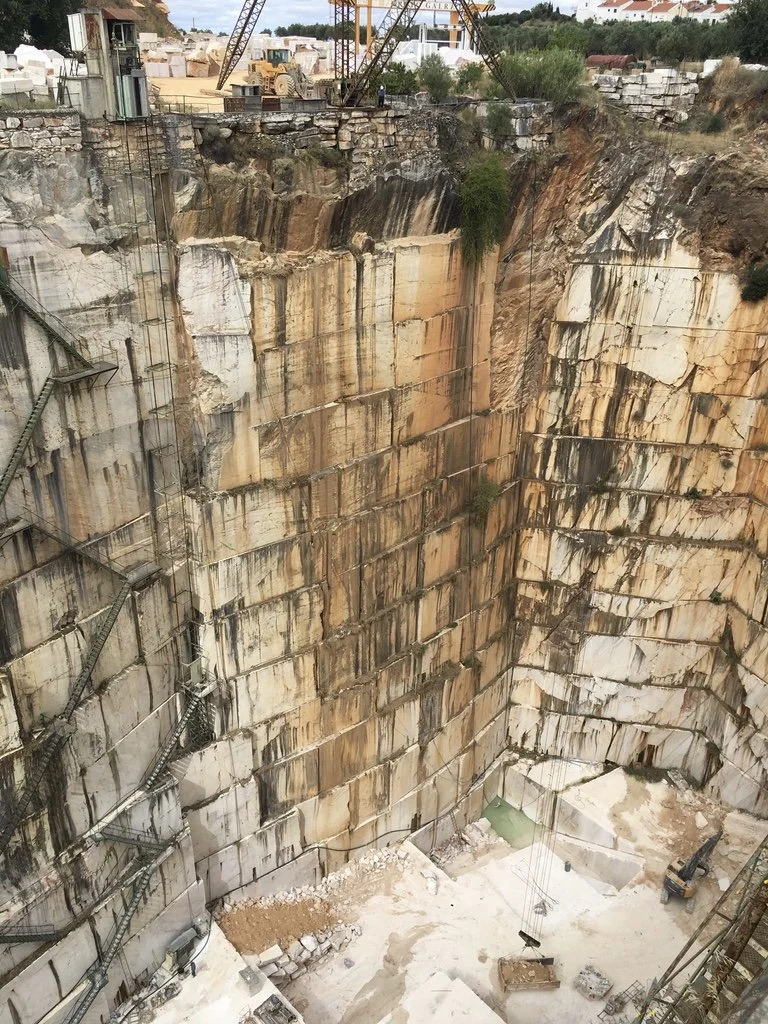
Afterwards, Roxy and I visited a marble quarry in Estermoz, witnessing the jaw-dropping extraction of marble.
We climbed the soaring Torre das Tres Coroas at the top of the Estermoz Castle. From there we could see lush vineyards, golden plains, and the historic city’s two layers of defensive walls. Estremoz is nicknamed “Ciudad Branca” or The White City for its abundant white marble, which gives the whole place an irresistible luster.
On to Porto
As we put Évora in the rearview mirror,we drove to Porto. Checking into PortoBay Teatro, nestled in the vibrant theatre district. Built on the former site of the 1859 Teatro Baquet, the hotel’s chic theatrical interiors and stylish bar made us feel like we were backstage in a star’s dressing room, with easy access to shopping and dining.
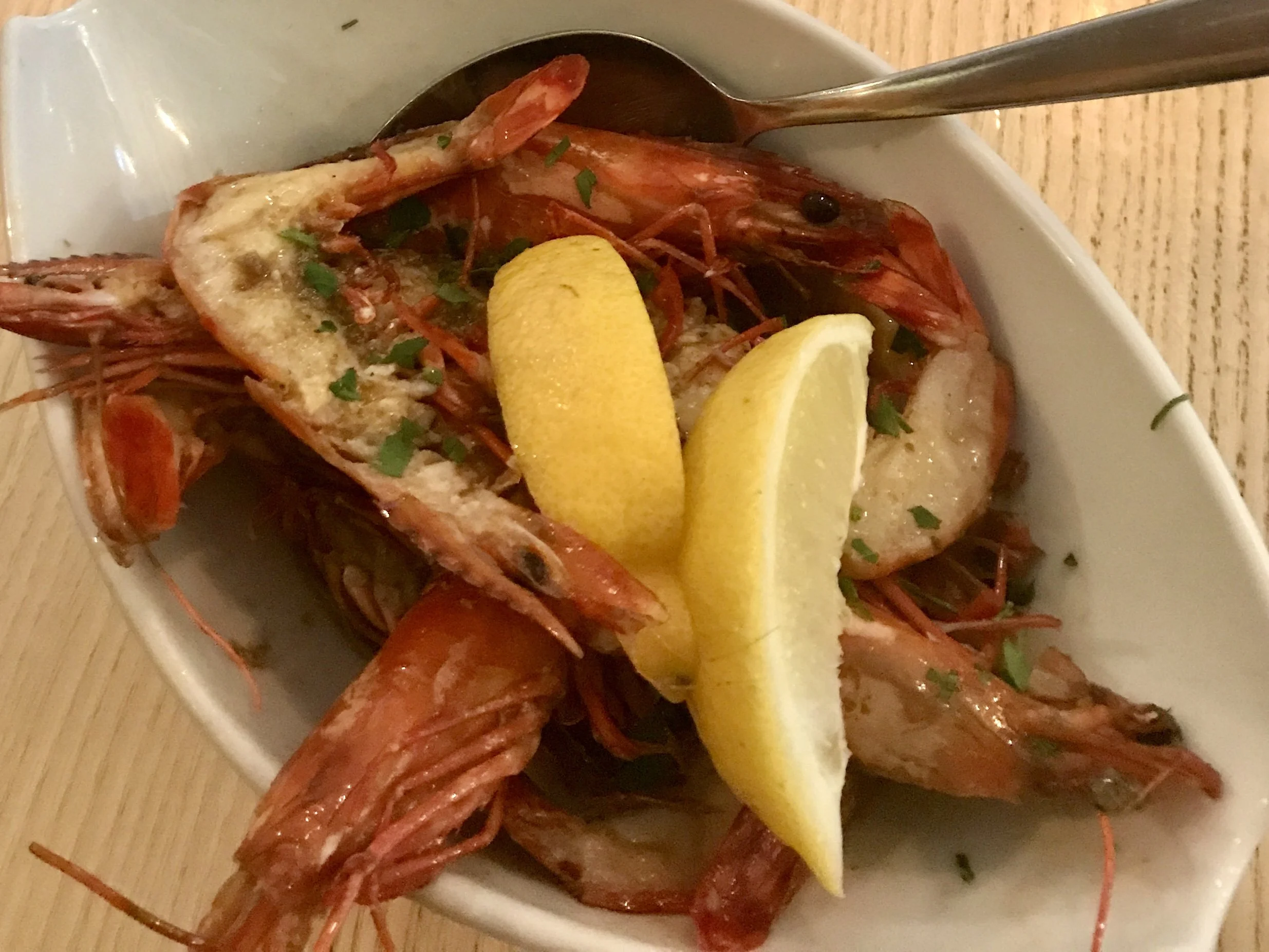
Our first meal in Porto was at the sensational Ostras & Coisas, housed in a former tailor shop. We ordered a platter of mixed crab, followed by tiger shrimp and calamari, sea snails and a plate of barnacles paired with a delightful Douro Valley white wine. “Thank God you aren’t a picky eater!” I joked with Roxy, who laughed and quipped, “That’s all you, Mom. If I had said I didn’t like oysters, you would have put me in time out!”
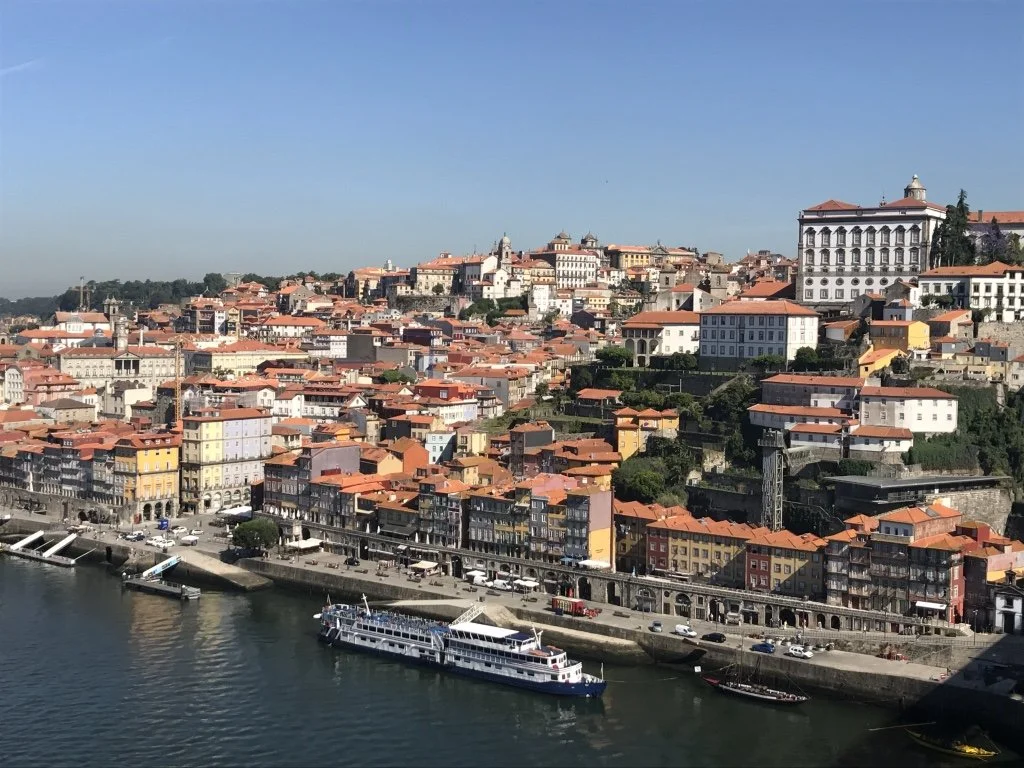
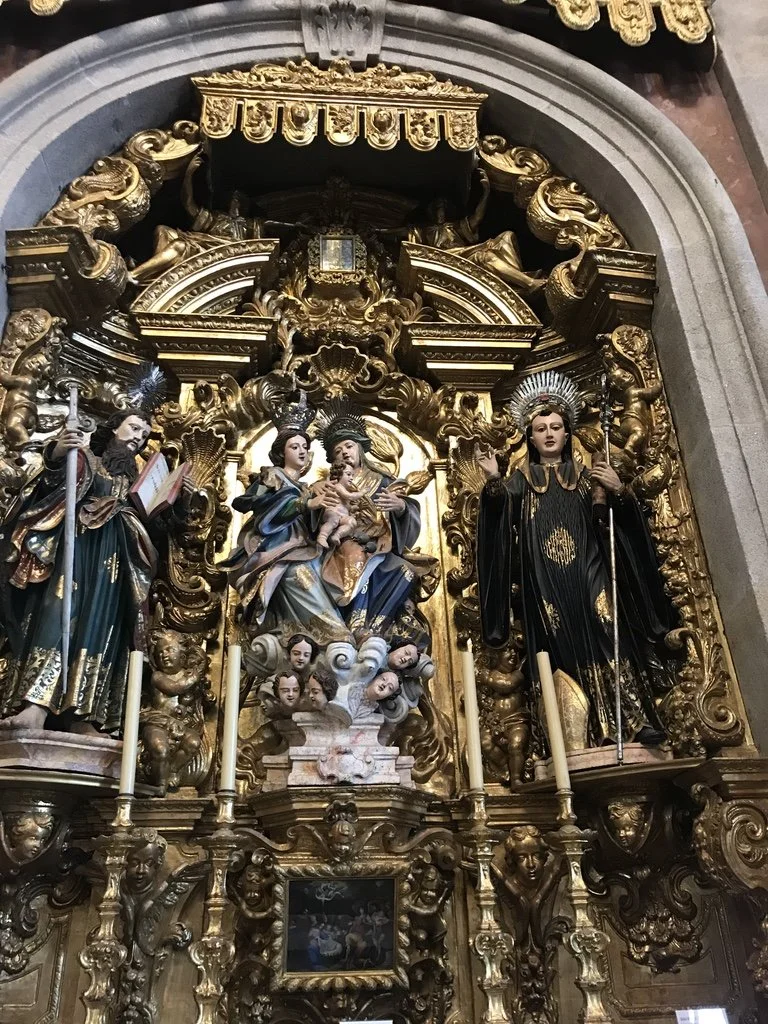
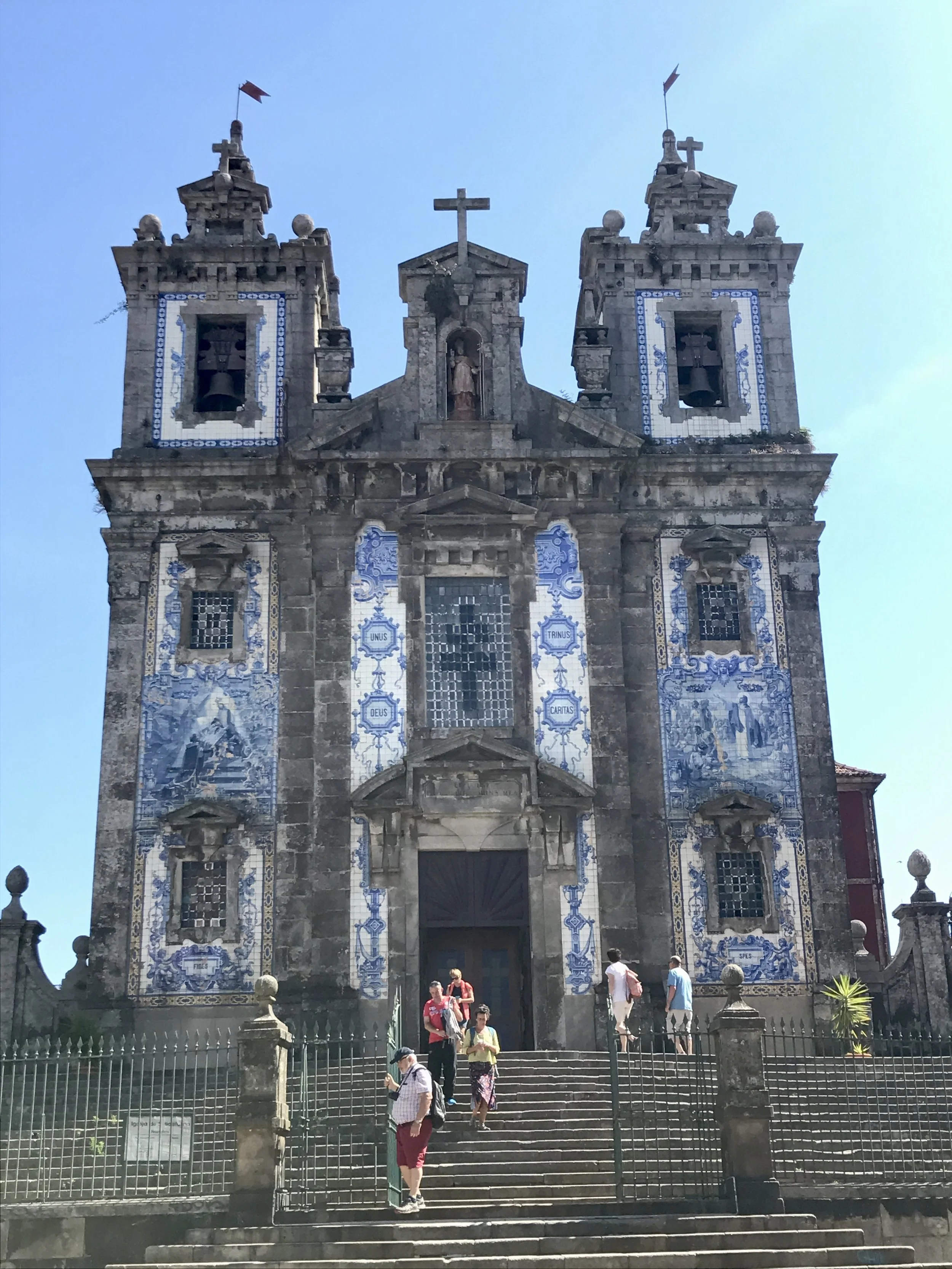
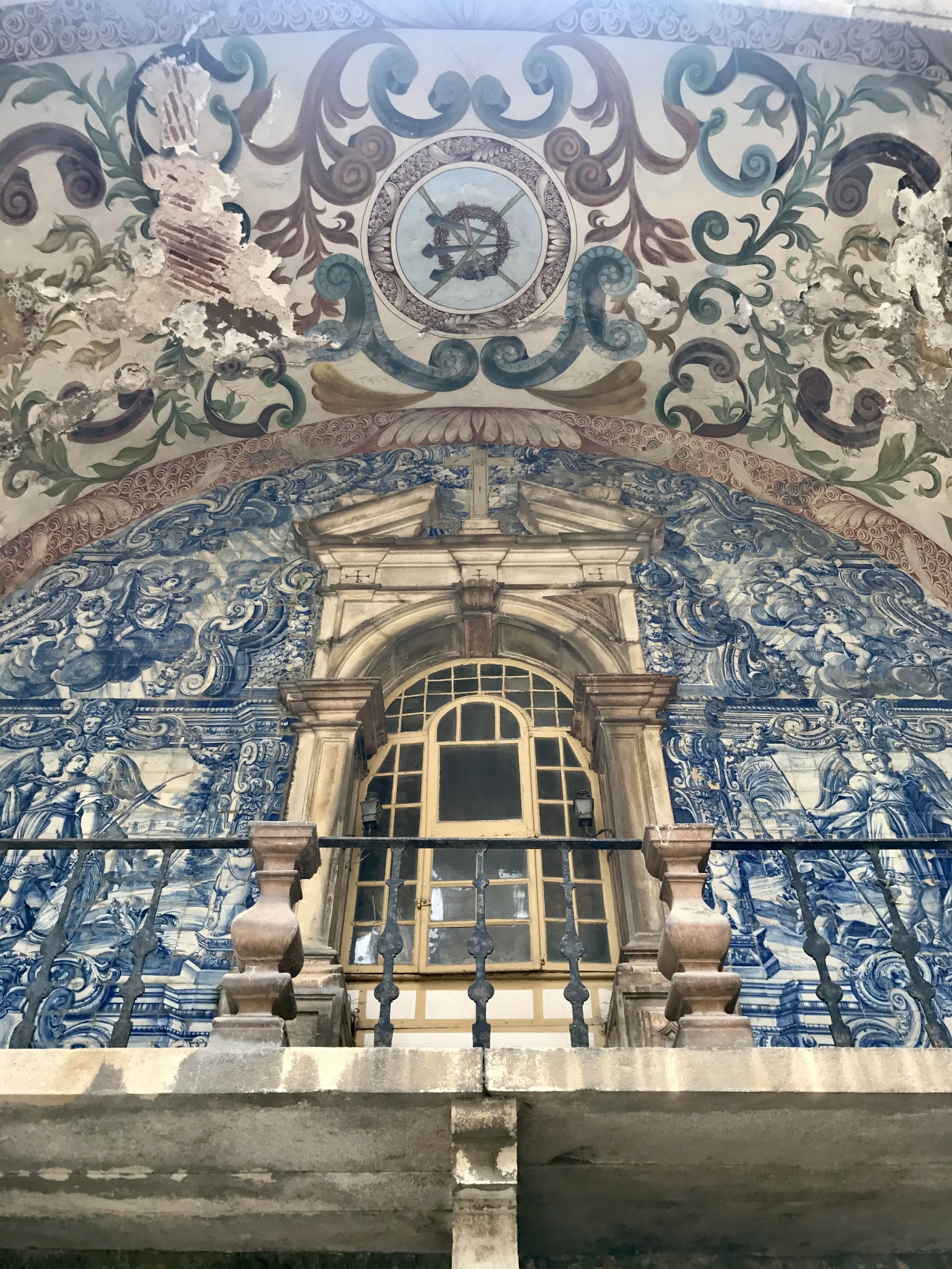
In the morning, we met Pedro, our Porto guide. He was charming and handsome with wavy salt and pepper hair, and a closely trimmed beard, wearing stylish jeans and a navy t-shirt. The first stop on our tour was Porto Cathedral, one of the city’s oldest and most important sites for its magnificent Portuguese blue and white tiled murals and gothic elements. Stepping out of the Cathedral, Pedro took us to a viewpoint showcasing the city’s distinctive, red-tiled roofs. When Roxy mentioned we were Jewish, Pedro led us through the Jewish Quarter, where we marveled at mezuzahs and Hebrew engravings still visible on the houses and shops.
“Sephardic Jews contributed to Portuguese culture during the period when they lived in these buildings,” Pedro explained. Protected by the monarchy, the Jews —philosophers, humanists, scientists, and merchants — were decisive during several important moments of Portuguese history, namely for their financial and scientific contributions. “When the king ordered their deportation from the country in 1496, many stayed and worshipped in secret.” Roxy pondered this and said, “Life must have been so scary for them.” Pedro agreed, “Yes, they risked their lives daily for God.”
One of the tour highlights was Adega S. Nicolau, a restaurant tucked away on a side street. This is where we spent the next two hours savoring slow-roasted veal, chicken bordelaise, and tender octopus fillets, which were tender and utterly delicious. Dining by the Douro River, we shared stories with Pedro, who showed us pictures of his family, while we shared ours.
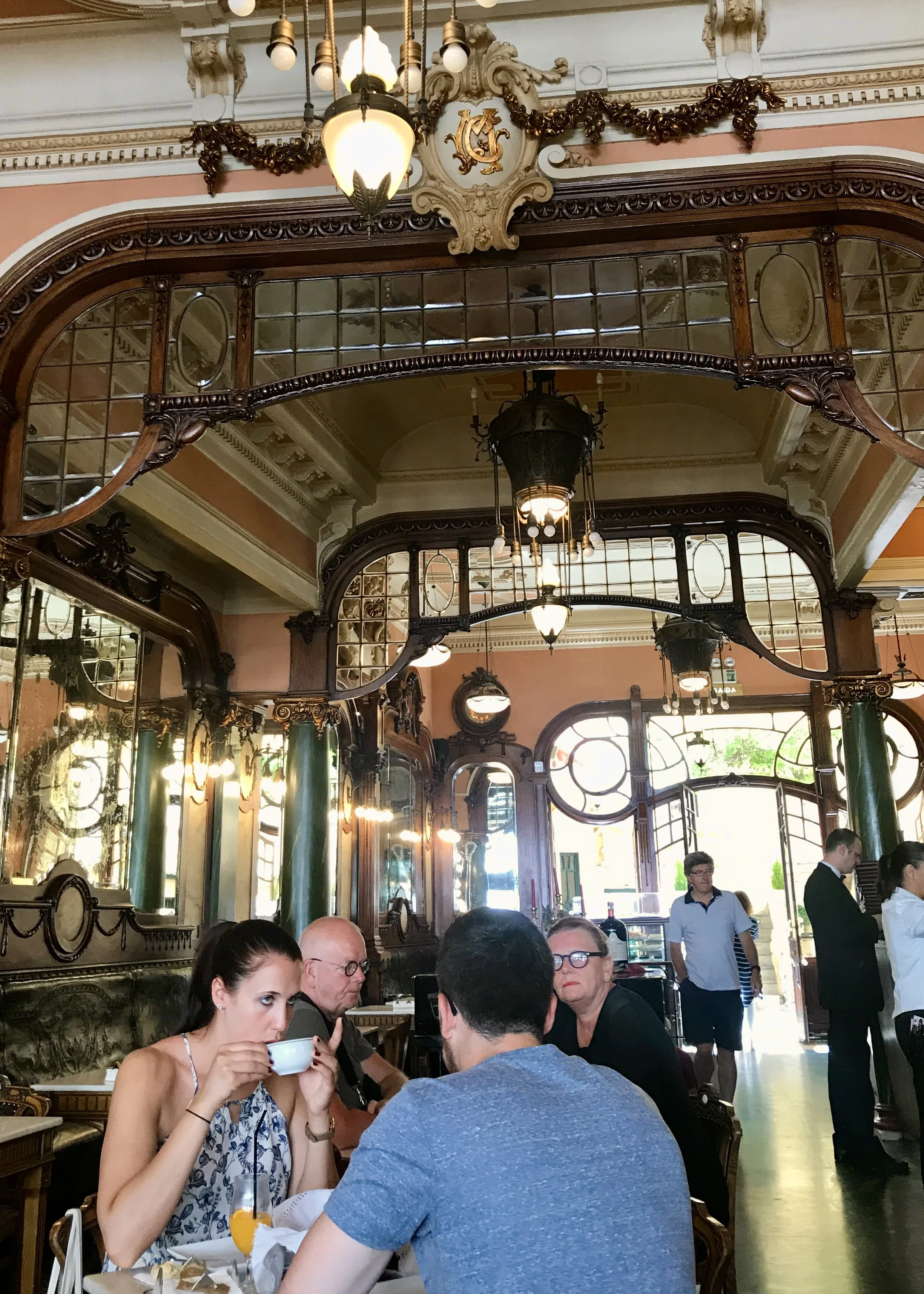
It wasn’t easy to rise from the table after that huge meal, but we managed to make it to the iconic Majestic Café, which is a shimmering icon of Porto. Pedro ushered us to a marble top table and whispered to the waiter, dressed in a black bowtie, vest, and white shirt sleeves, to take care of us. We ordered hot chocolate with whipped cream and tried to imagine what it was like for J.K. Rowling who wrote Harry Potter and the Philosopher’s Stone here, as she’s rumored to have done.
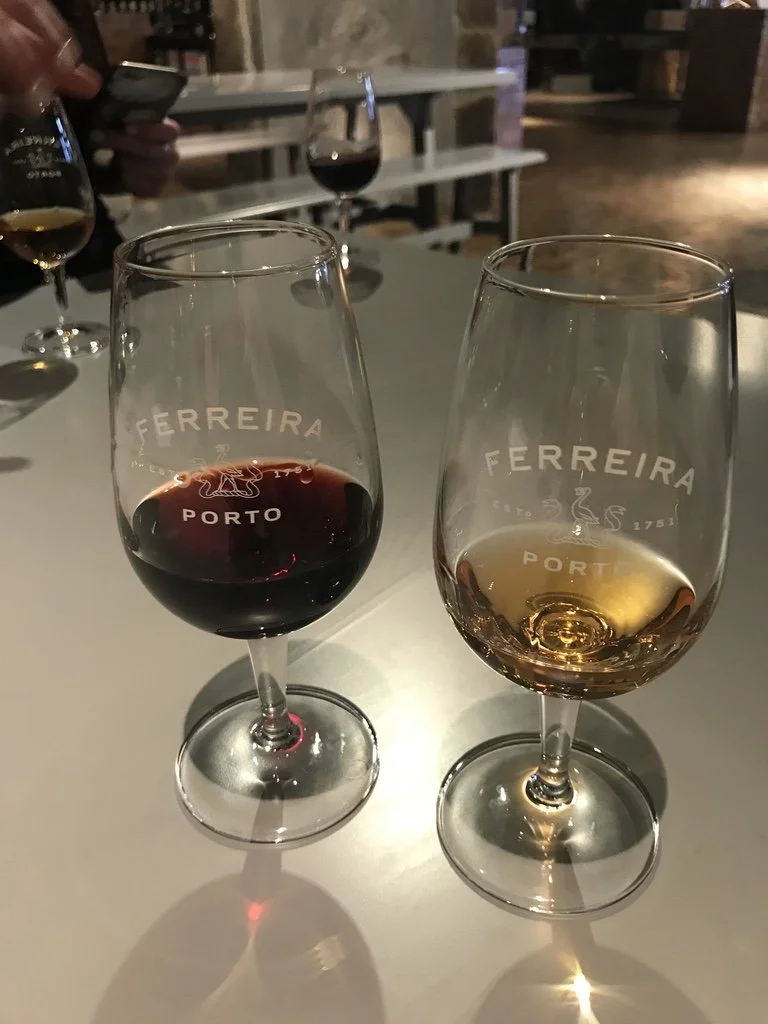
A few doors down from Majestic Café is Livraria Lello, one of the most beautiful bookstores in the world. Over 100 years old, it’s rumored to have inspired the iconic staircases at Hogwarts. When Roxy was younger, I read her the entire Harry Potter series, so being there was nothing short of surreal. To cap off our day, we toured Caves Sandeman, learning about the family’s wine making tradition before tasting their ruby and tawny ports.
A stop over at the beach
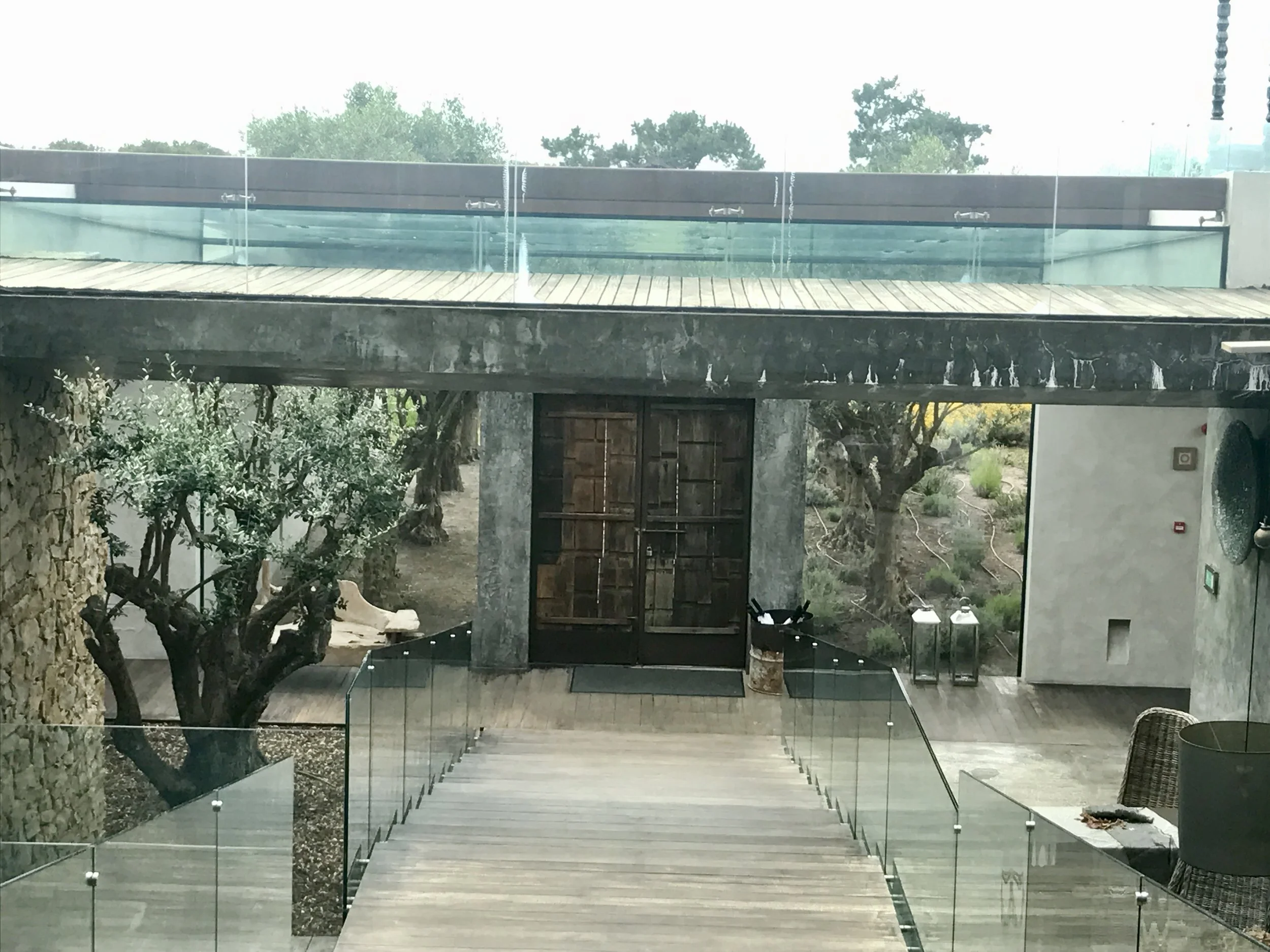
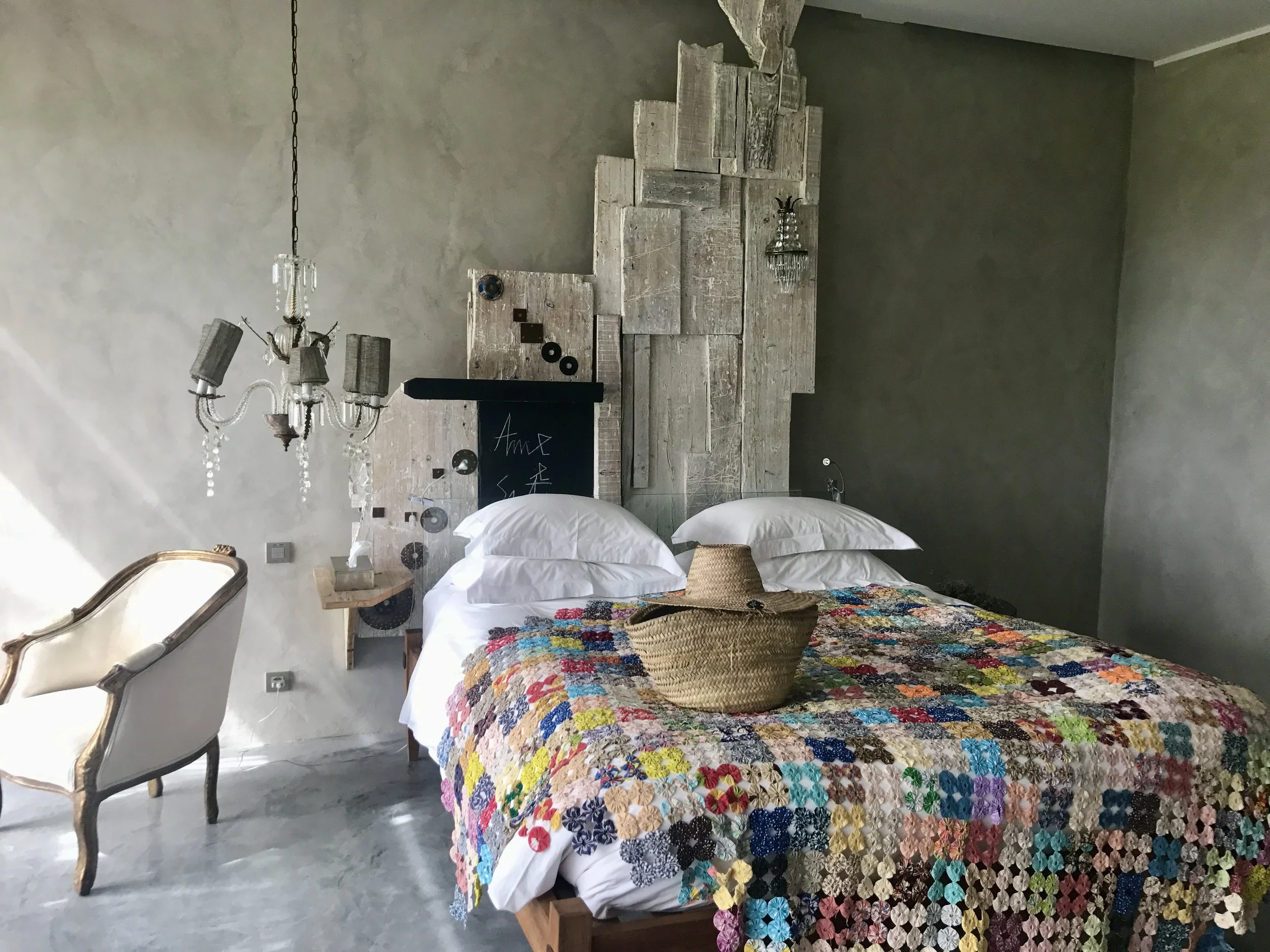
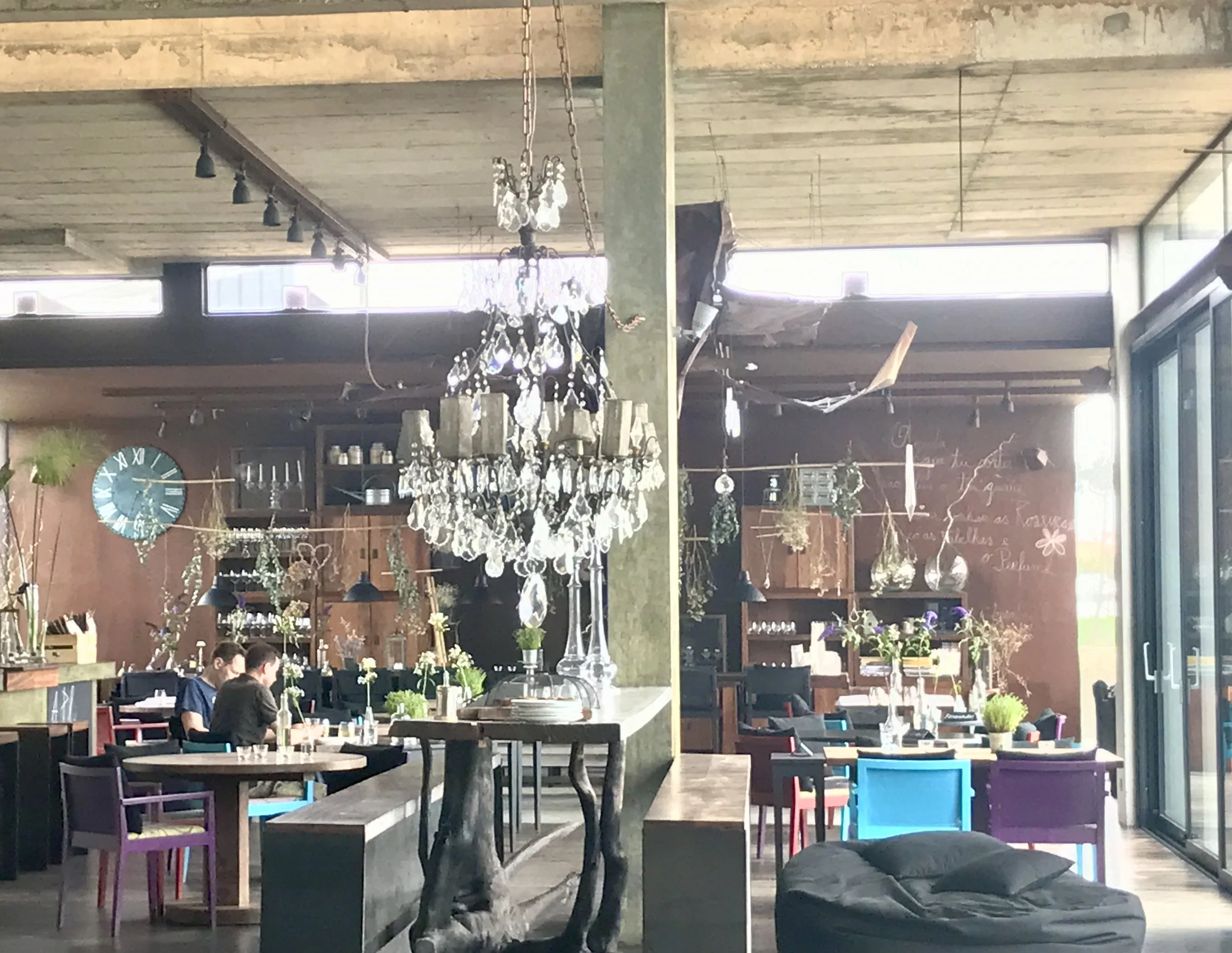
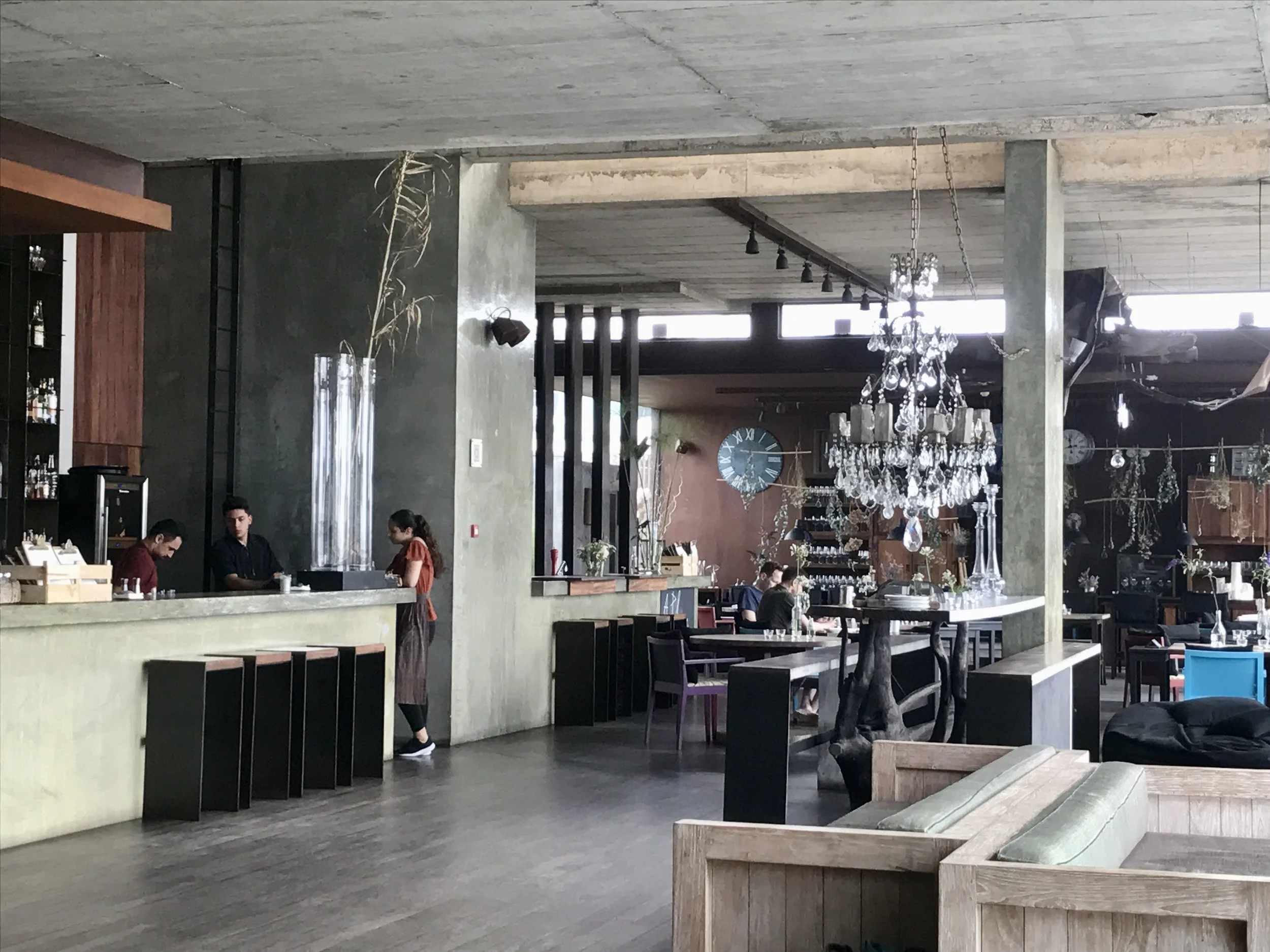
We drove south from Porto to the beach town of A-Dos-Cunhados. En route, Roxy and I talked about the many reasons to love Portugal — the resilience and friendliness of the people, the natural beauty and rich style, the art and architecture, which all comes together at Hotel Areias do Seixo. One hour north of Lisbon, it’s an extraordinary beach resort with an organic farm and Instagram-worthy design.
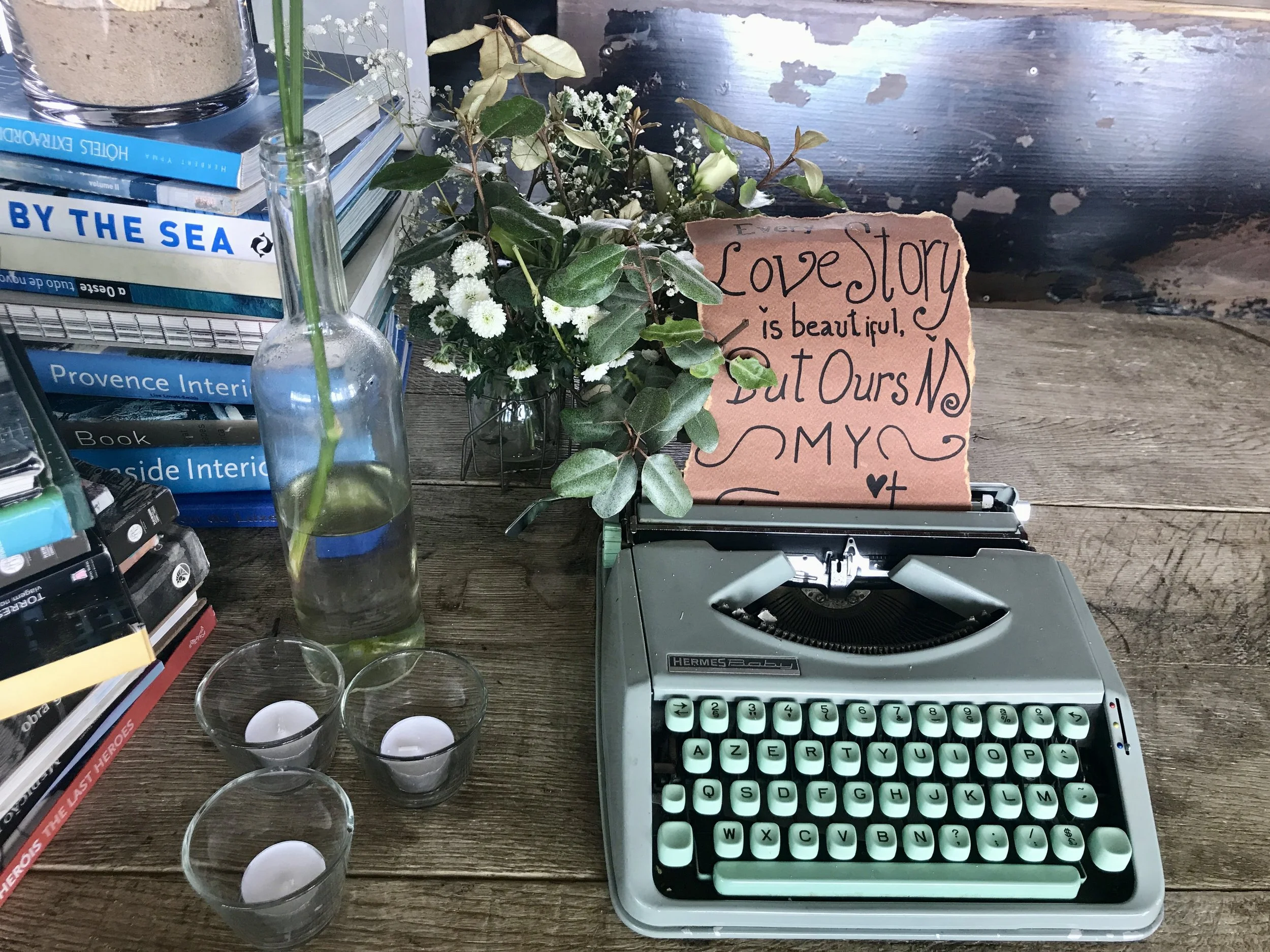
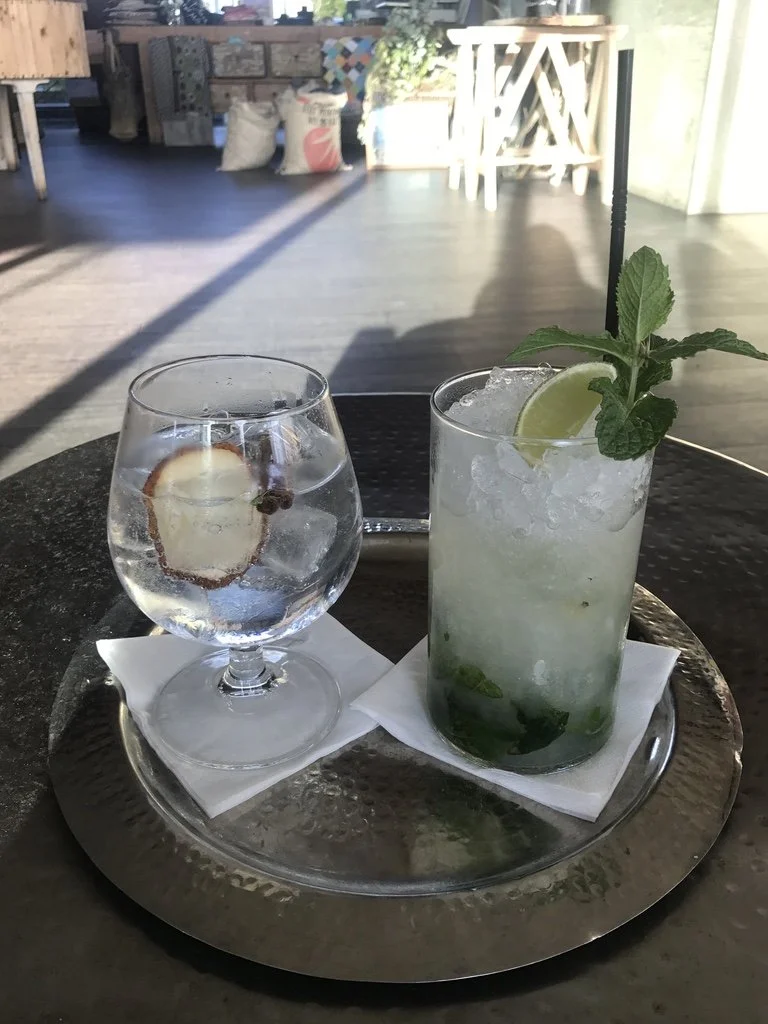
The chic open-air interior is filled with the kinds of romantic details. House music softly blankets the air, herbs hang to dry from the ceiling, the furniture is handmade of natural materials. Old-fashioned typewriters are tucked here and there holding love letters, and classic beach cruisers with fresh flowers in their baskets wait outside the doorway for you to take on an impromptu ride. What’s more, they make the most scrumptious gin and tonics, featuring fresh cucumber right from the garden, dried pear, peppercorns, and pear-flavored gin.
At the hotel, we mingled with fellow guests and participated in experiences centered around permaculture. We shared stories around a fire pit and indulged in mother-daughter massages at the Moroccan spa. It was a place where we could truly exhale.
In the morning, I reveled in the unique sensuality of our room, especially the glass-enclosed granite soaking tub. After a rejuvenating bath, I felt serene, ready to tackle the day. Over drinks in the lobby, we met Marius and Toby, two sophisticated men from Cologne, Germany. We quickly fell into conversation, discussing everything from love to politics. They invited us to dinner, and we spent the evening bonding over gorgeous organic dishes and lively conversation.
Lastly, Lisbon
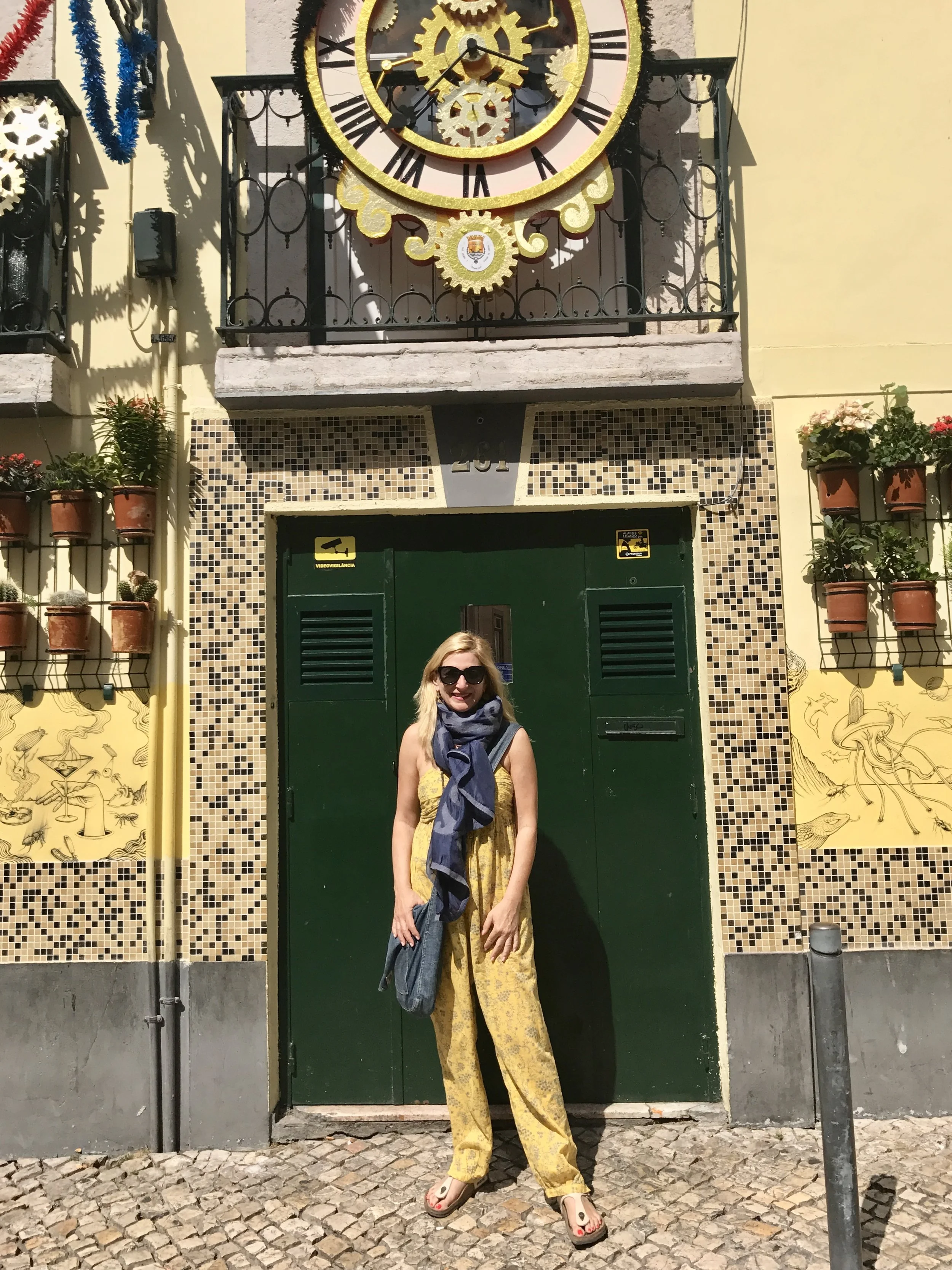
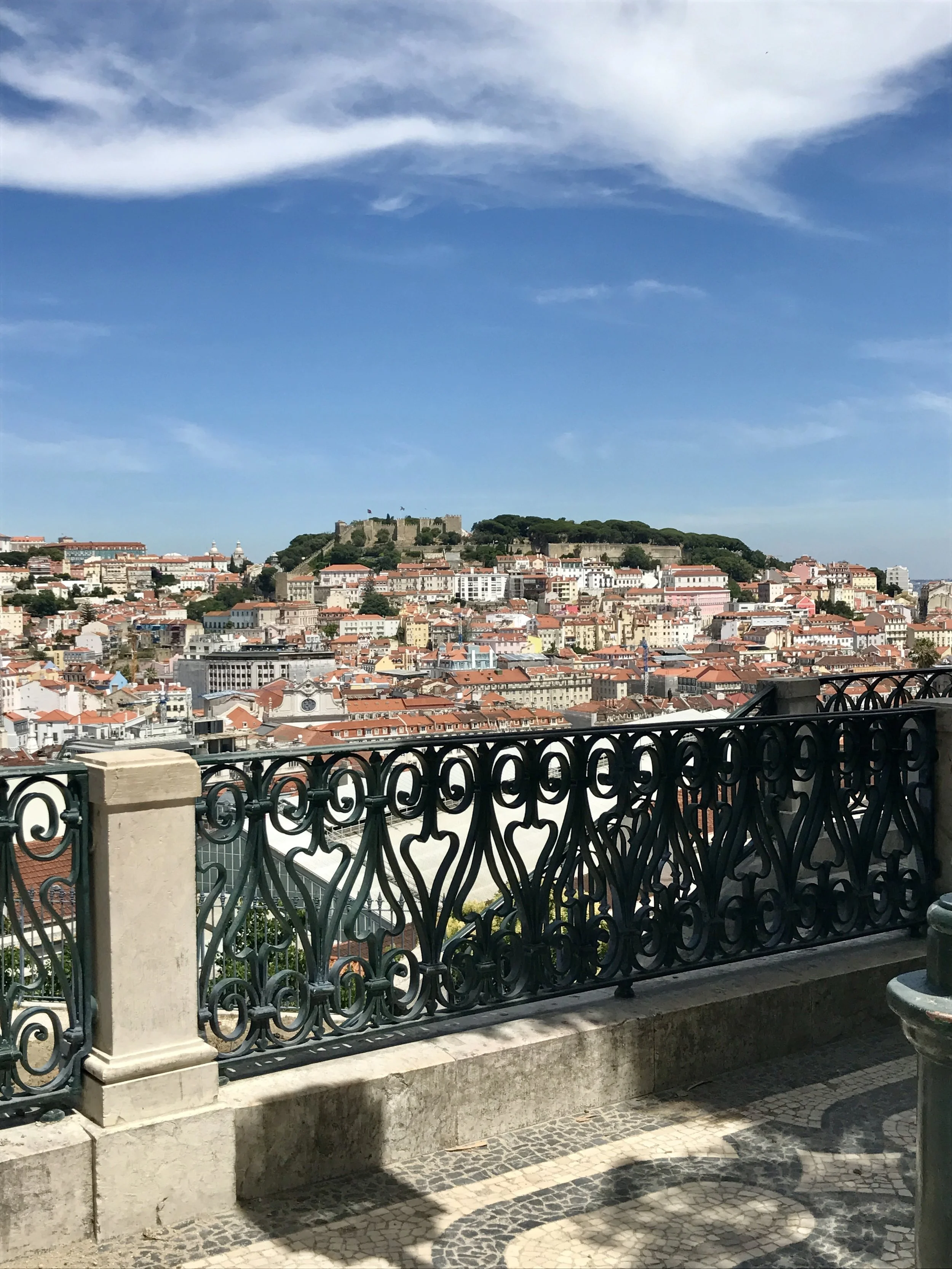
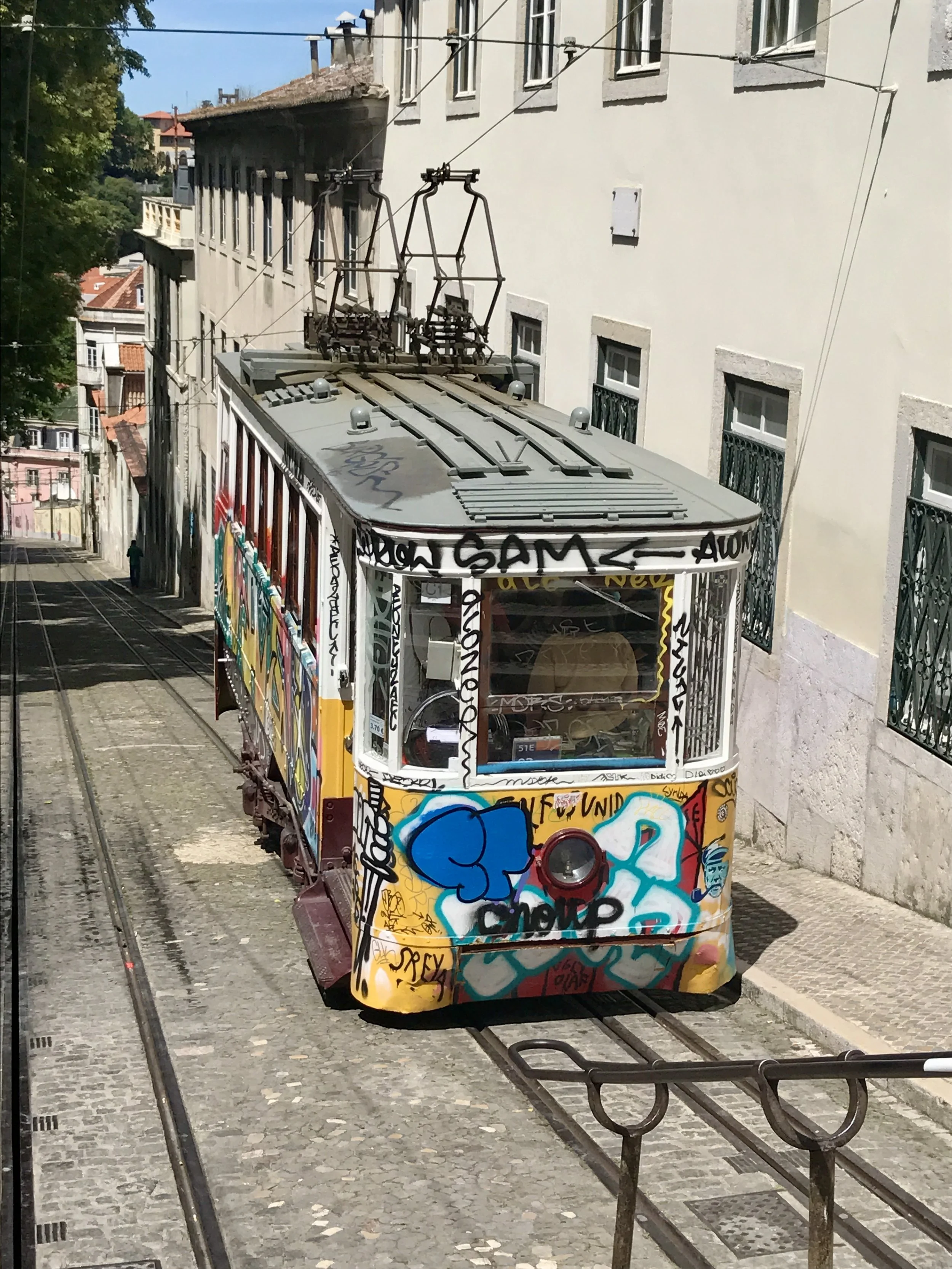
The next day, we drove to Lisbon and linked arms with the dashing Marius and Toby as we paraded through the cobblestone streets, admiring this beautiful city filled with eclectic art and design, Gothic and Manueline-style architecture, terraced gardens, historic trams, and lush palaces. We ducked into a restaurant and our quartet enjoyed a marvelously memorable meal. Course after course, we ate artichokes that tasted vaguely of the sea, fried sardines, silky pasta, and perfectly plump shrimp. We laughed non-stop, the conversation flowing like a magic carpet ride.
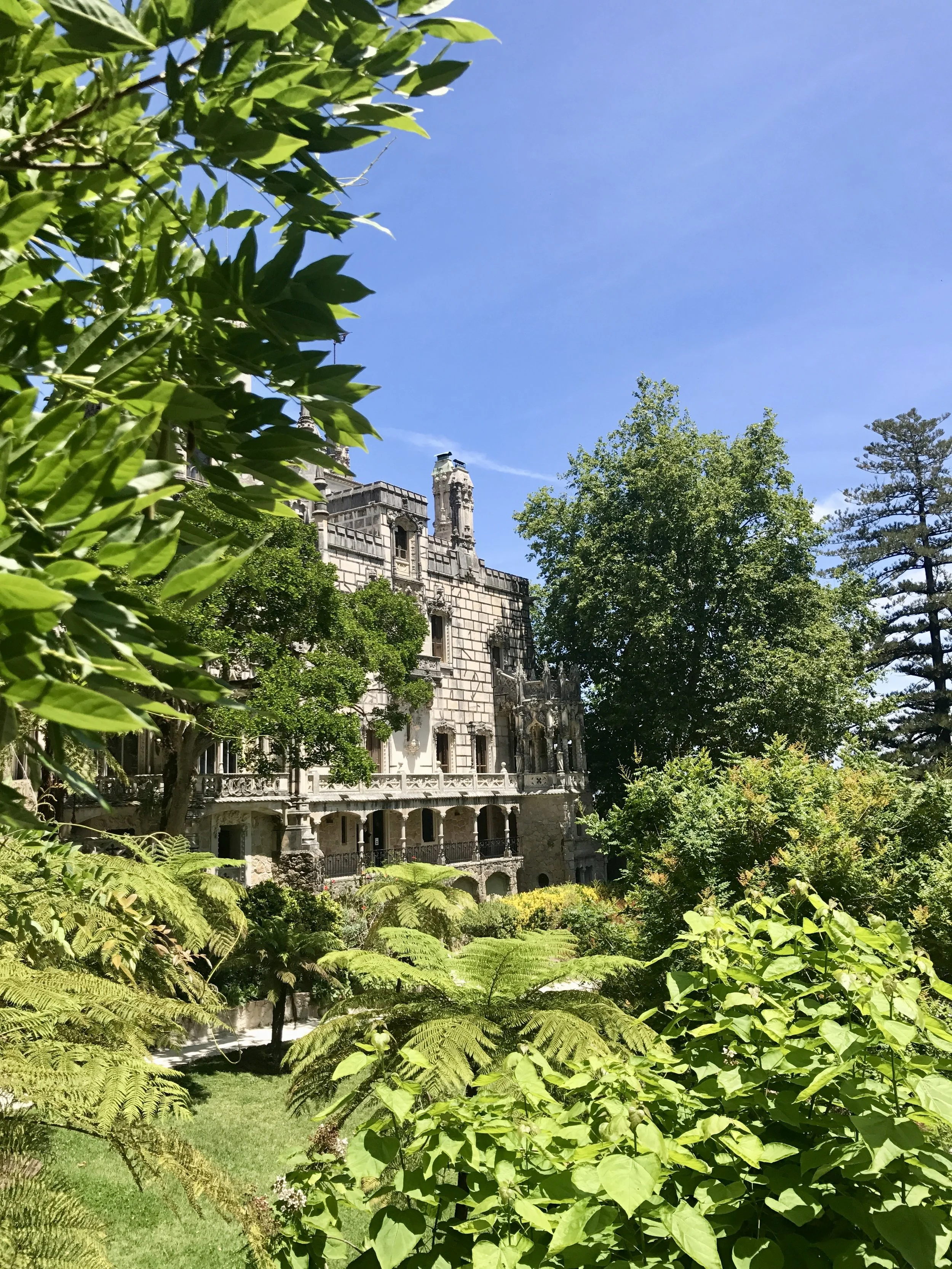
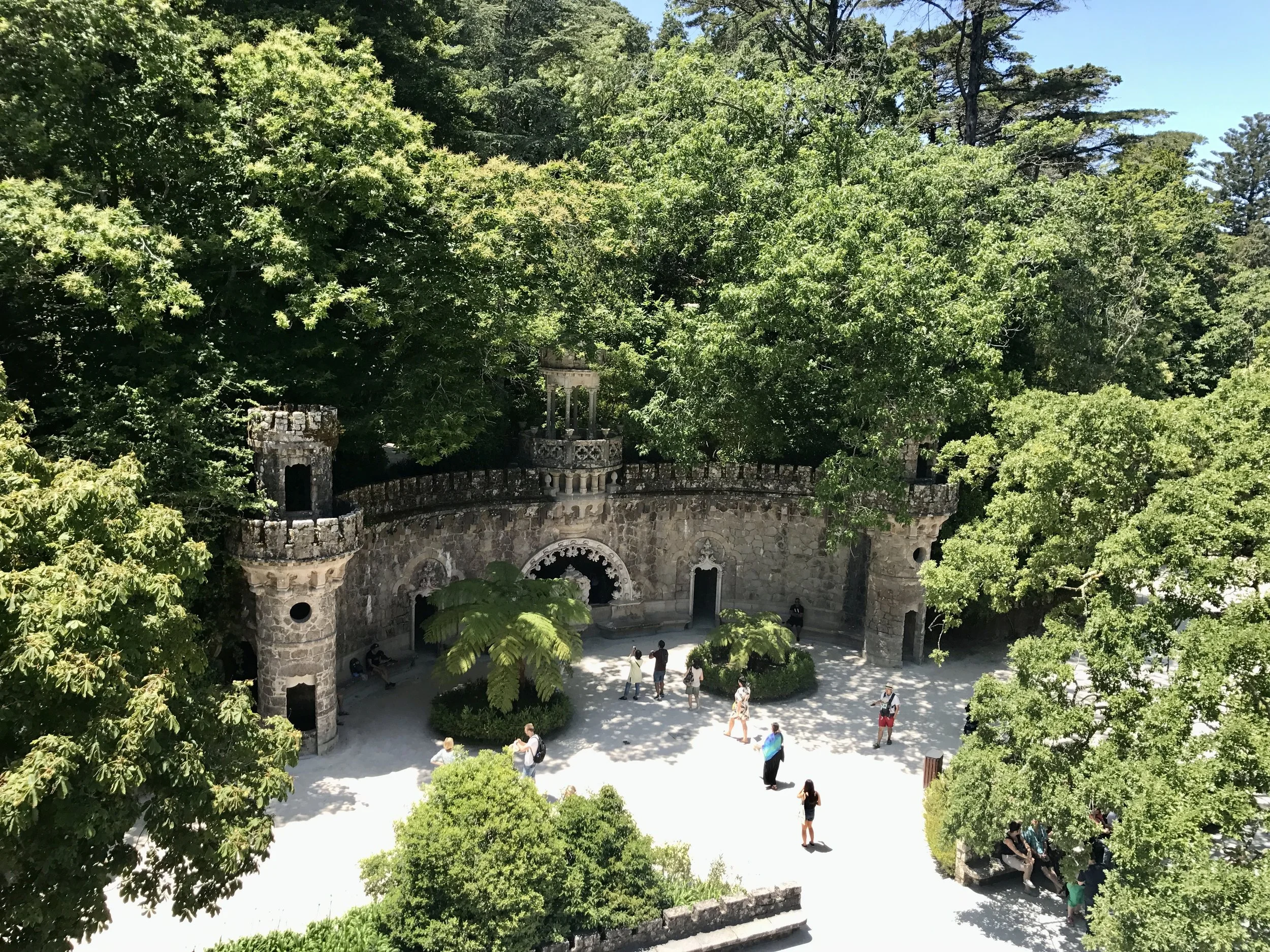
After a late start, Roxy and I ventured to Sintra, a UNESCO Heritage Site and former royal summer home. With its lush forests and elegant gardens, it felt like a scene from a fairytale. We explored the whimsical Quinta de Regalera with its elaborate labyrinth of caves, fountains, waterfalls, towers, and turrets. Then we enjoyed lunch at the Paris Cafe, where Roxy joked about Madonna living nearby in an 18th-century Moorish Revival mansion. “What can you expect? She is the Material Girl” I reply.
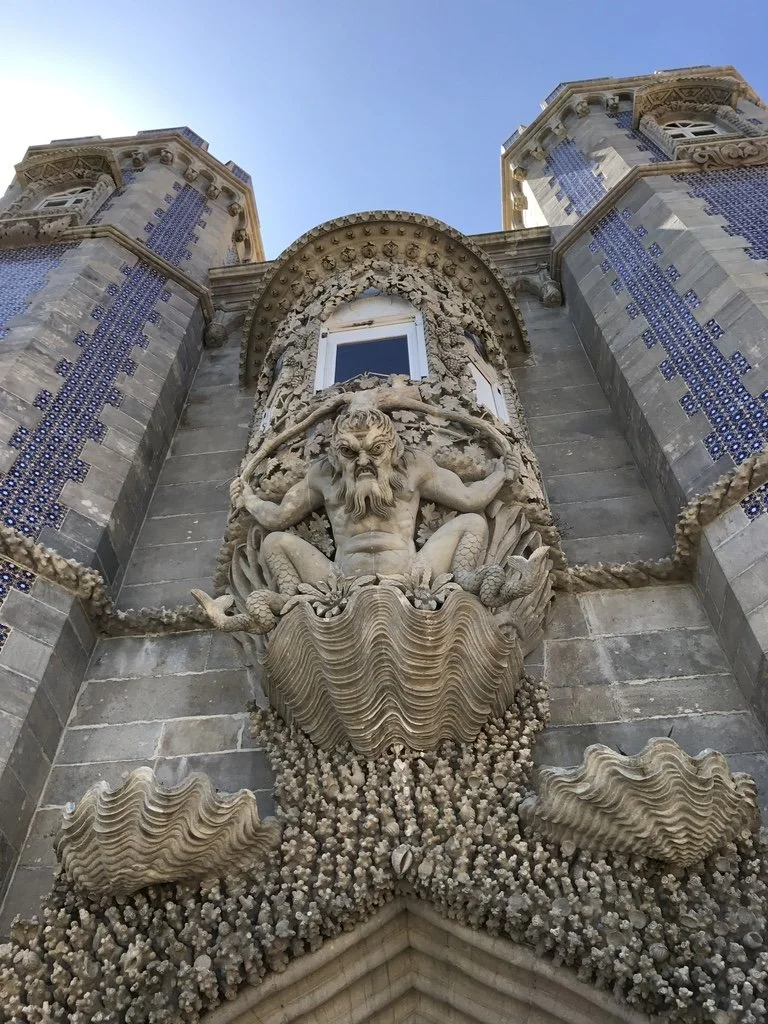
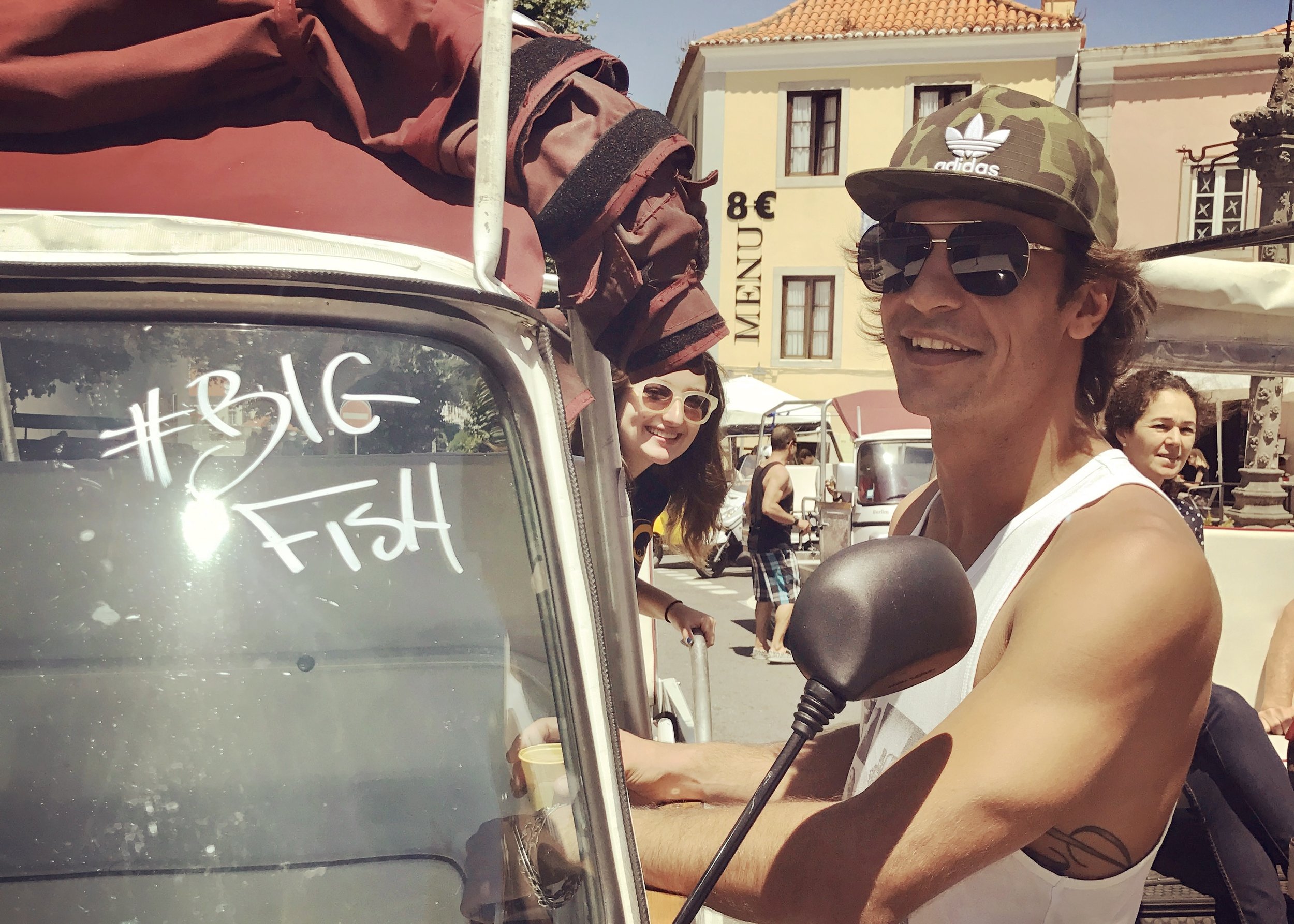
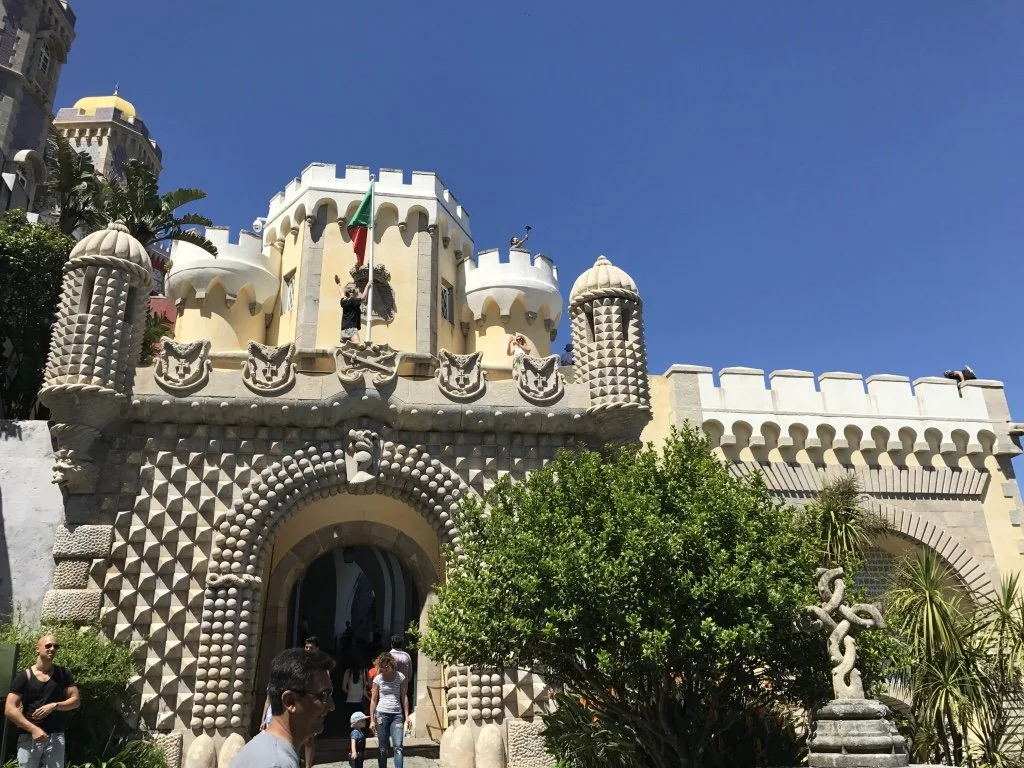
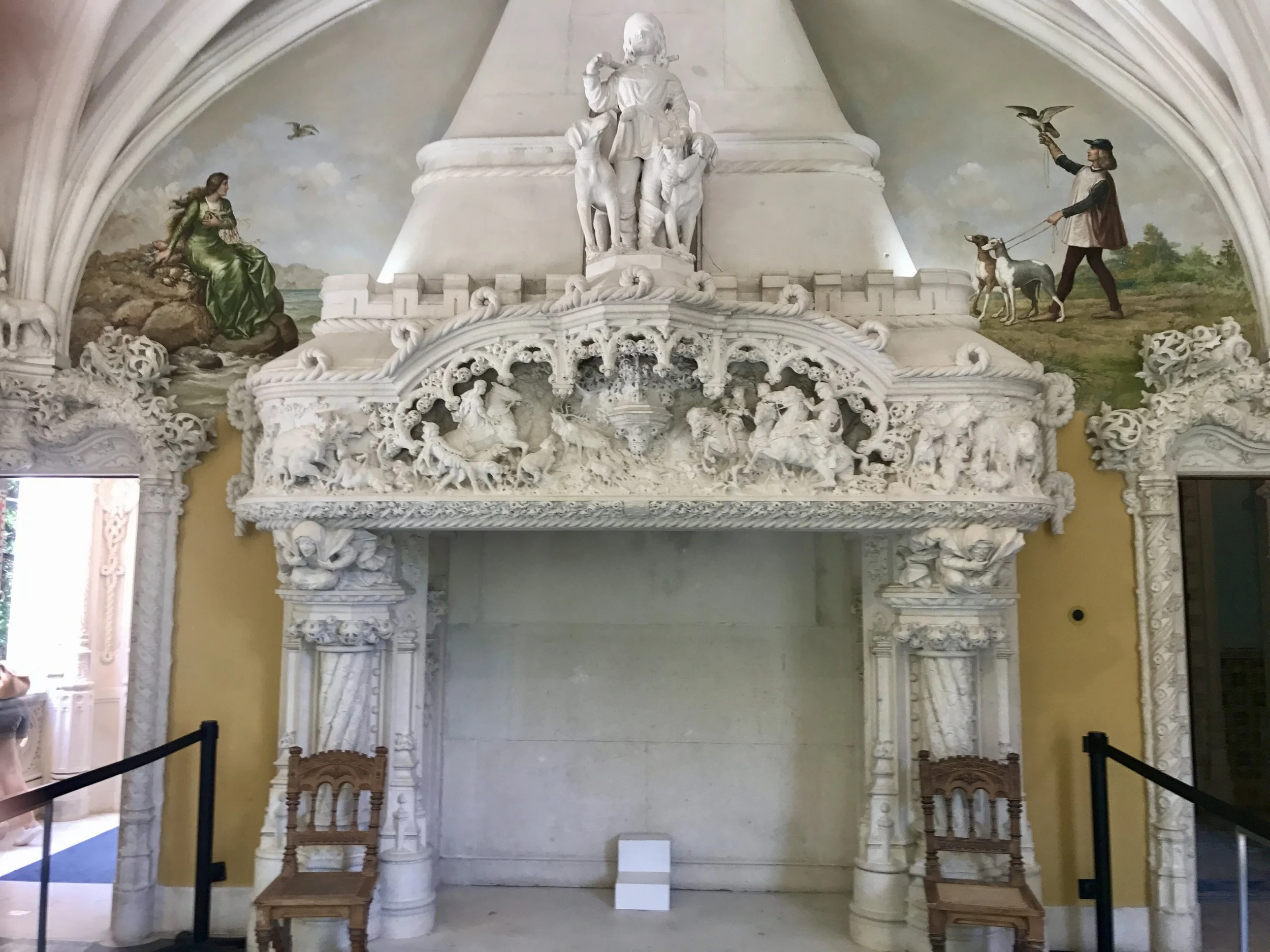
After lunch, we grabbed a tuk-tuk to the castle on top of the mountain. Our driver was young and a bit wild with #BigFish written in permanent marker on his windshield. Roxy exclaimed, “Look Mom, it’s a sign!” (The company I own and founded over 30 years ago is called Big Fish). Up we went, round and round to Palacio da Pena. Rising up to the sky, the fantastical palace looked like something out of a Shrek film. A former monastery in the Moorish style, the royals lived here until they were driven into exile by the birth of the republic in 1910. The interiors, with hand-carved furniture and lavish finishes, are exhibited with design flourishes everywhere.
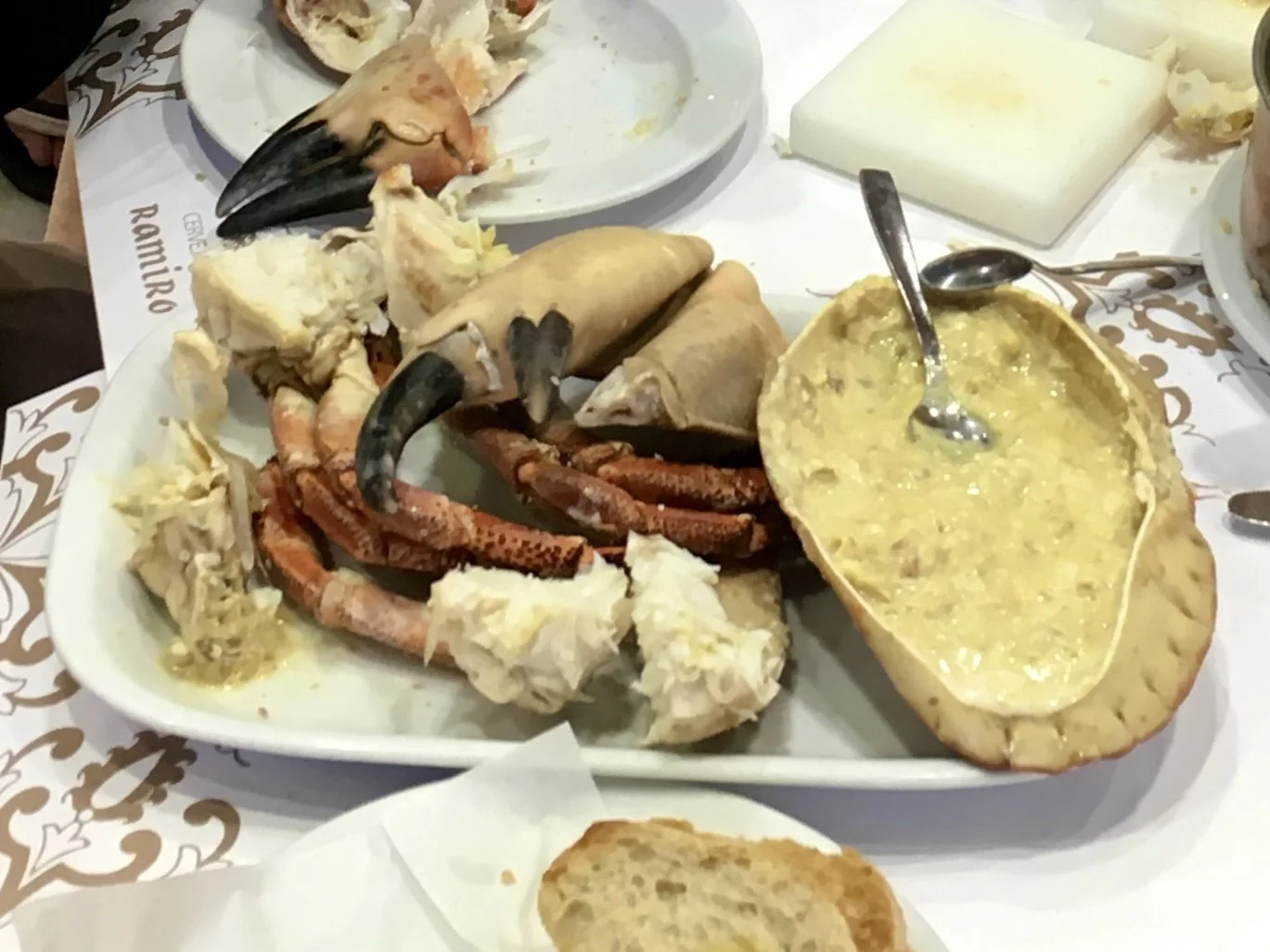
Back in Lisbon, we stood in line at Ramiro, where they served crab and tiger shrimp by the pound. We joined the long queue and indulged in unparalleled fresh flavors, relishing every bite. First to the table, an enormous crab whose shell was filled with a delectable crab soup. “I wish I had two stomachs like horses do so I could eat more. This is amazing!” I said to Roxy while rubbing my full tummy. She agreed, swinging her mallet to open claws and legs. Just then, a copper pot of garlicky clams was served along with foot-long tiger shrimp, seasoned with olive oil and paprika. Roxy’s face was priceless as she devoured each treasure. Shells and meat were flying into the air, into our hair, and onto our faces as we pounded open the crab.
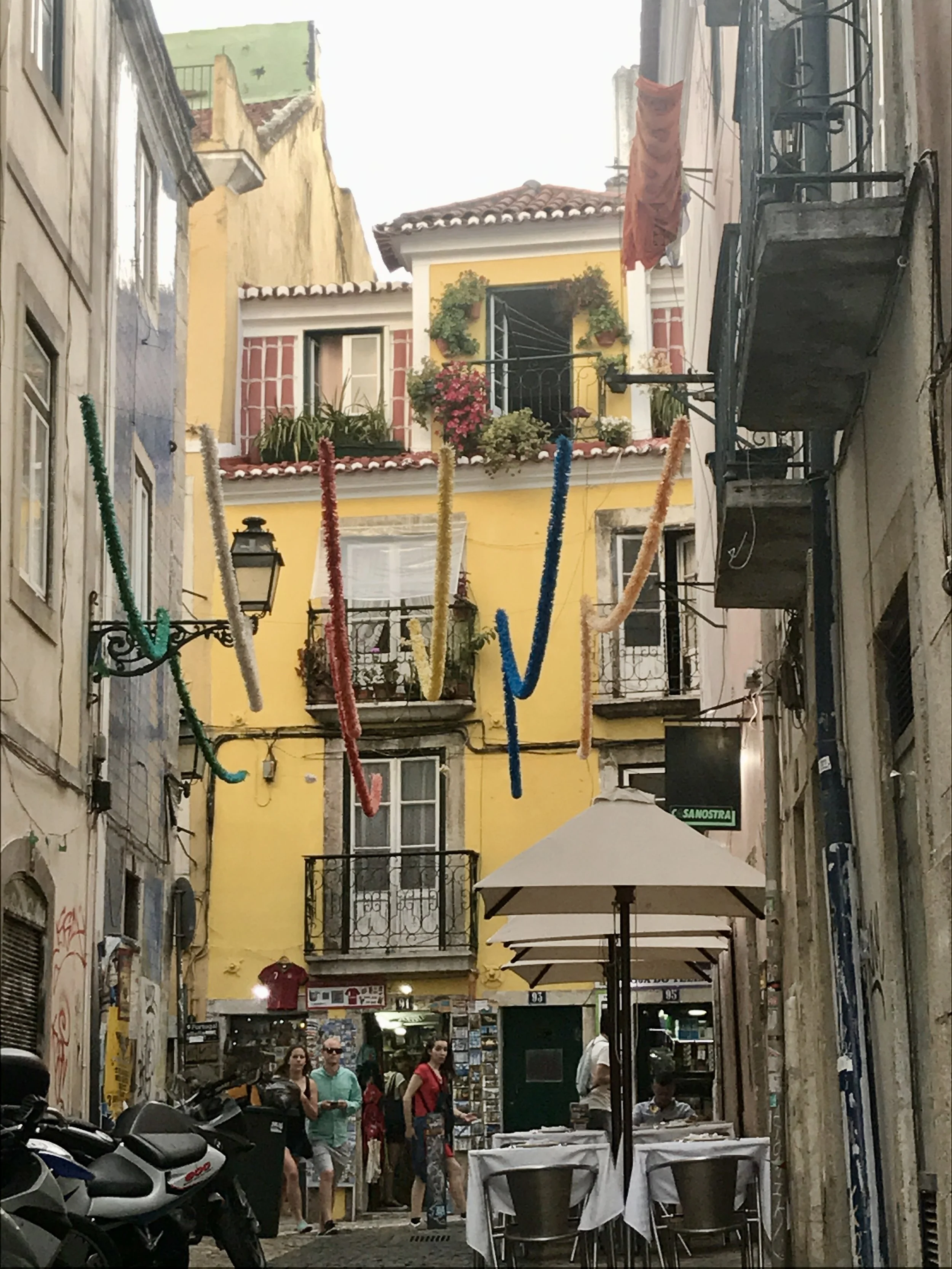
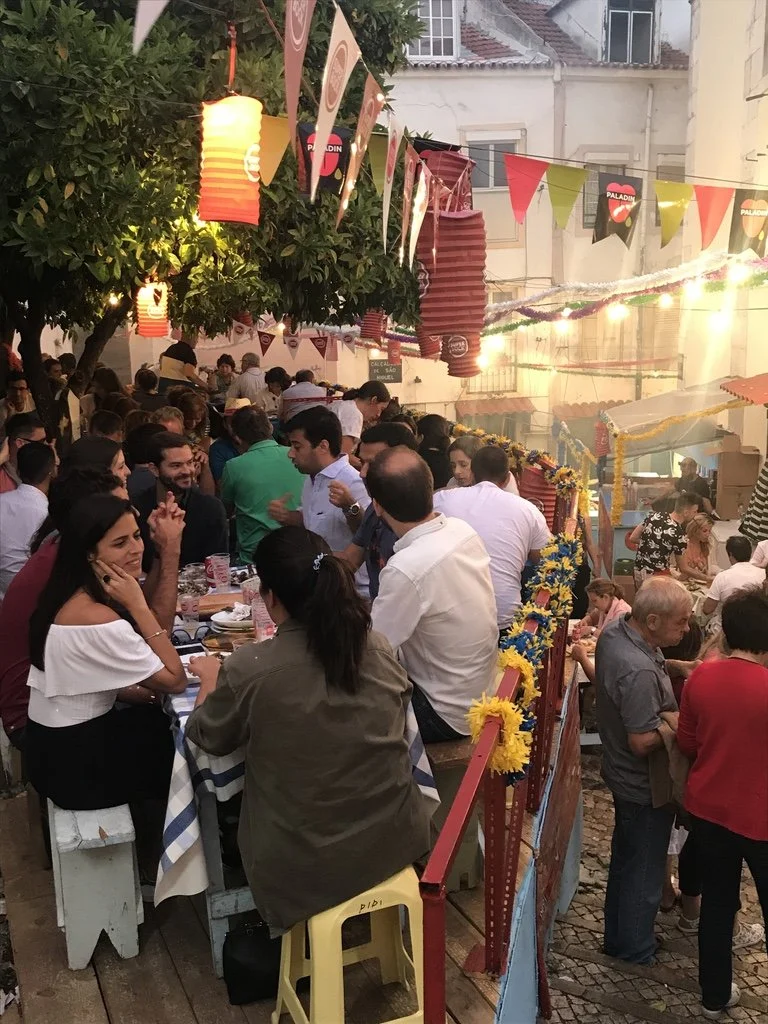
June signals the month-long St. Antony’s Festival in Lisbon. After dinner, Roxy and I wandered through Alfama, Lisbon’s oldest neighborhood, to see, smell, and feel the energy of the neighborhood parties. There was music everywhere, sardines grilling, beer being poured, families and friends celebrating with gusto, and couples being married.
Reclining in my seat on our Delta jet, I closed my eyes, savoring the memories of the hearty meals and history of Évora, sipping port in Porto, Sintra’s storybook charm, the vibrancy of Lisbon, the barefoot chic of Hotel Areias do Seixo, and the friendships formed along the way. Portugal had truly captured our hearts.